Accessibility is a crucial factor when considering the design and placement of sidewalks and walkways. Sidewalks are generally mandated to meet specific accessibility guidelines, ensuring they are navigable for individuals with disabilities. These regulations often include requirements for width, surface texture, and slope. In many jurisdictions, sidewalks must have curb cuts at intersections, providing seamless travel between street levels and pedestrian pathways. Such features enhance accessibility and promote inclusivity for all community members.
On the other hand, walkways are often designed with aesthetics in mind and may not be subject to the same strict regulations as sidewalks. However, accessibility should still be a priority in any walkway installation project. Custom designs might incorporate ramps, tactile indicators, and appropriate materials to facilitate ease of use. Ensuring that walkways are accessible enhances overall usability, allowing residents to traverse neighborhoods comfortably and safely. This focus on accessibility can significantly impact community engagement and connection.
Sidewalks are subject to specific regulations that vary by municipality or city. These rules generally address aspects like width, surface materials, and accessibility features. Compliance with the Americans with Disabilities Act (ADA) is mandatory, ensuring that sidewalks accommodate individuals with disabilities. Local zoning laws also play a role in determining where sidewalks can be placed, impacting urban planning and development.
In contrast, walkway installation often faces fewer restrictions than sidewalks. Homeowners may have more leeway in choosing materials, design, and placement. However, local codes may still apply, particularly regarding drainage and safety measures. Understanding both sidewalk and walkway regulations is essential for ensuring compliance and enhancing community accessibility.
Safety features are crucial when considering the design and function of both sidewalks and walkways. Sidewalks are typically wider and provide a designated space for pedestrians, reducing the risk of accidents with vehicular traffic. In urban areas, traffic signals, signage, and crosswalks are common safety measures that contribute to pedestrian safety. Well-maintained surfaces and proper drainage also aid in preventing slipping hazards, which is especially important in inclement weather.
In contrast, walkways are often installed in residential or landscaping contexts, focusing on beautification as well as safe passage. Walkway installation can incorporate materials like pavers or bricks that are designed to minimize slips and falls. Lighting along walkways enhances visibility during nighttime, further increasing safety. The choice of materials and design elements plays a significant role in ensuring that walkways meet the functional needs of users while also considering aesthetic appeal.
Sidewalks are typically designed to accommodate a higher volume of pedestrian traffic, often situated alongside busy streets. This positioning presents unique safety challenges, as individuals may be at risk from vehicles passing closely by. In many urban areas, regulations dictate the width and surface materials for sidewalks to enhance pedestrian safety, such as the inclusion of curbs or barriers to separate foot traffic from moving vehicles.
In contrast, walkways are generally found in residential or park settings. They are often constructed to provide a more intimate and leisurely strolling experience, further enhancing safety through design elements like softer surfaces and landscaping. Walkway installation can incorporate features such as gentle gradients and lighting, making them more inviting and secure for users. These thoughtful designs aim to create a peaceful environment that lowers the risk of accidents, contrasting sharply with the demands placed on typical sidewalks.
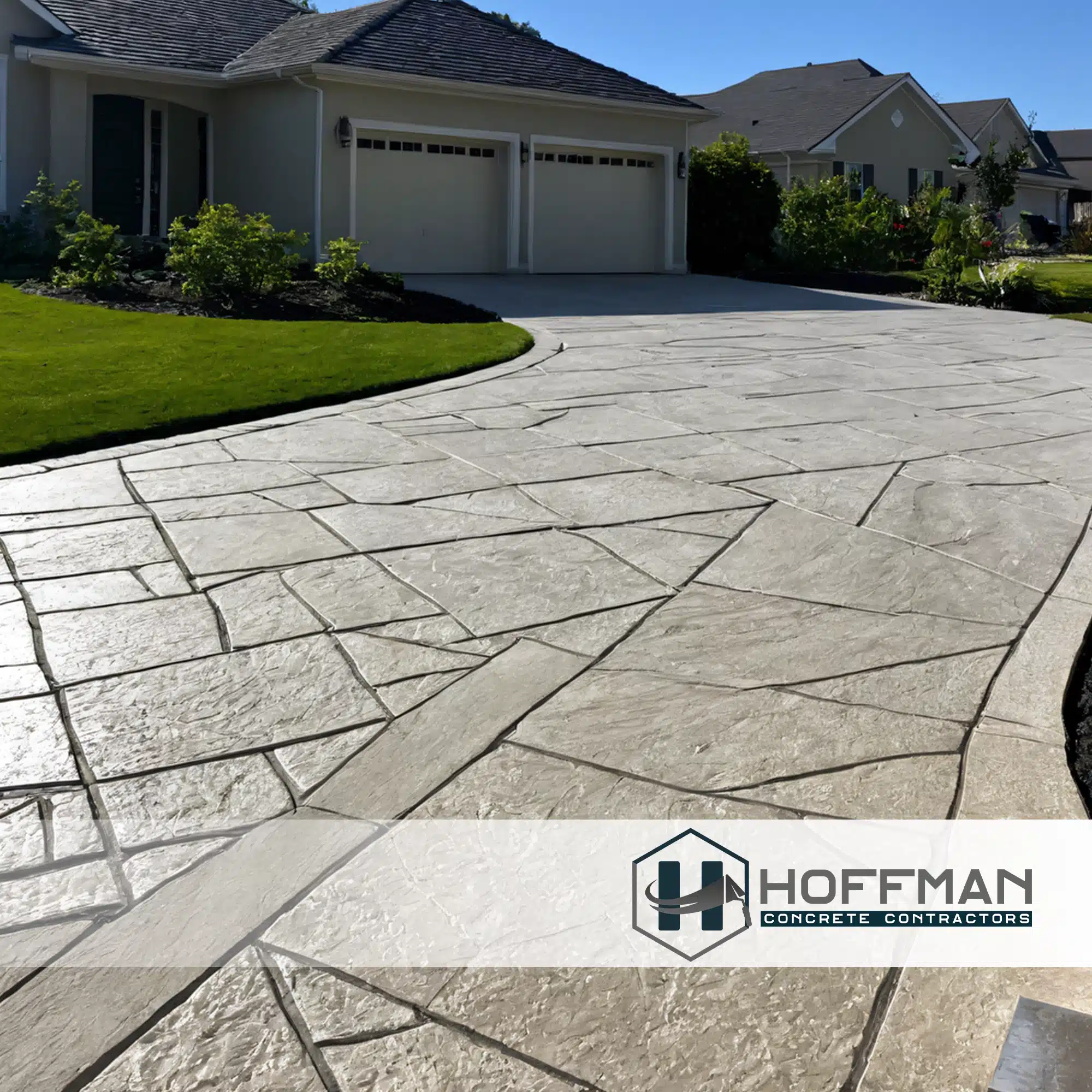
Walkways play a significant role in enhancing the aesthetic appeal of a property. A well-designed walkway can create an inviting atmosphere and guide visitors through a landscape. Various materials such as stone, brick, or pavers can contribute unique textures and colors, allowing homeowners to customize the look according to their style preferences. Incorporating landscaping elements, such as plants or lighting, can further emphasize the beauty of the walkway and create a cohesive outdoor space.
Walkway installation often considers the overall design of the property. Features like curves, patterns, and borders can not only make the pathway functional but also visually stimulating. Choosing a walkway that complements the home’s architecture can improve its curb appeal while providing a useful transition between different areas of the yard. The thoughtful combination of materials and designs ensures that walkways enhance not only the functionality but also the visual narrative of a property.
Walkways play a significant role in boosting the aesthetic appeal of a property. They provide a clear, inviting path for visitors, complementing landscaping and architectural elements. Whether made from stone, brick, or pavers, the materials used in walkway installation can accentuate the surrounding environment. Thoughtful design choices can transform an ordinary entrance into a charming focal point.
In addition to their visual impact, walkways can be customized to reflect a homeowner’s personal style. Unique patterns, colors, and landscaping choices along the path enhance the overall look of the property. Thoughtful walkway installation serves not only to guide people but also to create a harmonious blend with gardens, lawns, and outdoor living spaces. This cohesive approach to design encourages homeowners to take pride in their surroundings.
The main difference is that sidewalks are typically public paths alongside streets designed for pedestrian use, while walkways are private paths that lead to homes or other buildings and can vary in design and materials.
Yes, sidewalks are often mandated by local regulations in urban areas to ensure pedestrian safety and accessibility, particularly in areas with high foot traffic.
Yes, walkways can be constructed from various materials including brick, stone, concrete, or decorative pavers, allowing for more aesthetic flexibility compared to standard concrete sidewalks.
Yes, sidewalks may include features such as curb ramps, tactile paving, and proper lighting to enhance pedestrian safety, particularly for individuals with disabilities.
Walkways enhance curb appeal by adding aesthetic value and inviting design elements, making a property more attractive to visitors and potential buyers.
612 Painter St, Media, PA 19063
https://hoffmanconcretecontractors.com/
+16106386380
WJ82+88 Media, Pennsylvania
Open 24 hours
461 Rugby Rd, Birdsboro, PA 19508
https://hoffmanconcretecontractors.com/reading-pa/
+14849981139
Open 24 hours

Copyright © Hoffman Concrete Contractors - Media. All Rights Reserved