When considering affordable ways to refresh your outdoor space, Walkway Installation can be approached with various cost-effective techniques. One popular method involves using gravel or decomposed granite rather than expensive paving stones or concrete. These materials are readily available and relatively simple to install, allowing for a DIY approach that can significantly cut down on labor costs. With a proper base layer and edging, a gravel walkway can provide both functionality and aesthetic appeal.
Another budget-friendly installation option is the use of recycled materials. Salvaged bricks, stones, or even reclaimed wood can be transformed into a unique walkway design. Not only does this method reduce waste and environmental impact, but it also allows for creative expression in your landscaping. Incorporating recycled items can be a great way to save money while adding character to your outdoor area.
Before starting the walkway installation, begin by planning the layout. Mark the desired area with stakes and string to outline the pathway. This preparation allows for adjustments before digging. Clear the area of grass, weeds, and debris to create a smooth surface. Dig down to a depth of about 4 to 6 inches, ensuring the ground is level. Good drainage is essential, so consider sloping the middle of the walkway slightly to prevent water from pooling.
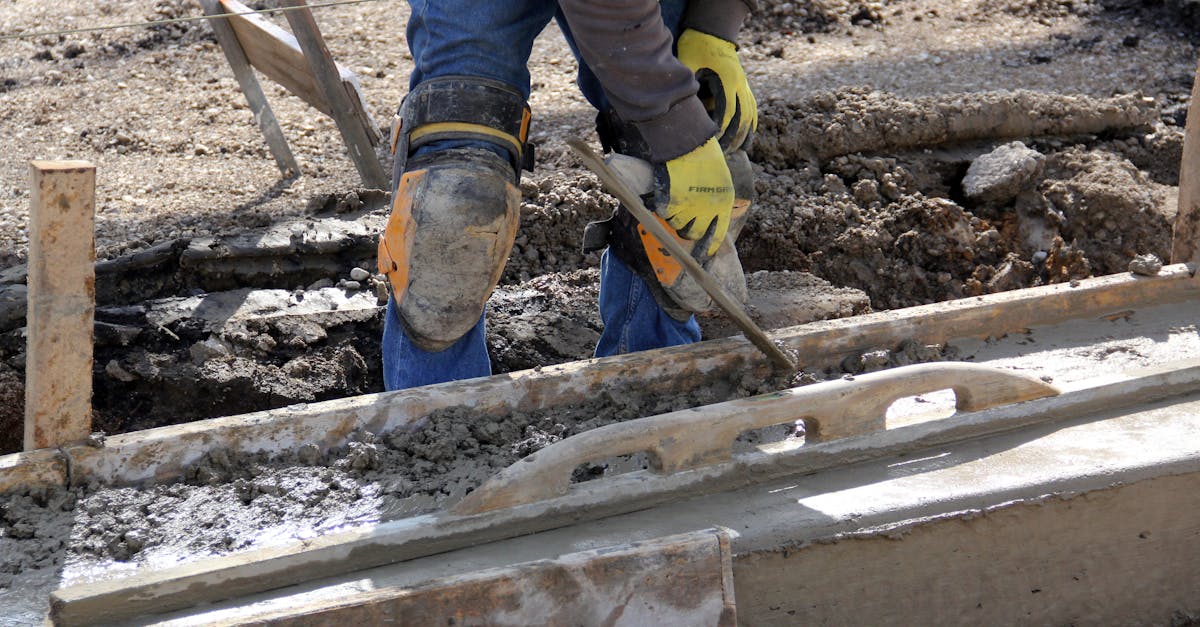
Once the area is prepared, add a base layer of gravel to promote drainage and stability. Compact the gravel using a tamper or plate compactor. Lay down a weed barrier fabric to prevent plant growth underneath your walkway. This step is crucial for long-term maintenance. Begin placing your chosen pavers or stones, ensuring they are level and fit snugly together. Complete the walkway installation by filling the joints with sand or gravel for added stability.
Choosing the right materials is crucial for enhancing the durability of your walkway. For instance, opting for concrete pavers or natural stone can ensure a robust structure that withstands the elements. While installation costs may vary, investing in quality materials proves beneficial in the long run. Sealing your walkway after installation can also add an extra layer of protection against moisture and wear, making it a smart choice during the walkway installation process.
Proper drainage around your walkway plays a significant role in preserving its integrity. Allowing water to pool can lead to cracking and erosion over time. Incorporating gravel or sand beneath the walkway can improve drainage and prevent water damage. Regular maintenance, including clearing debris and addressing any settling issues, can further extend the lifespan of your walkway. Attention to these details during and after the walkway installation will ensure it remains a lasting feature of your landscape.
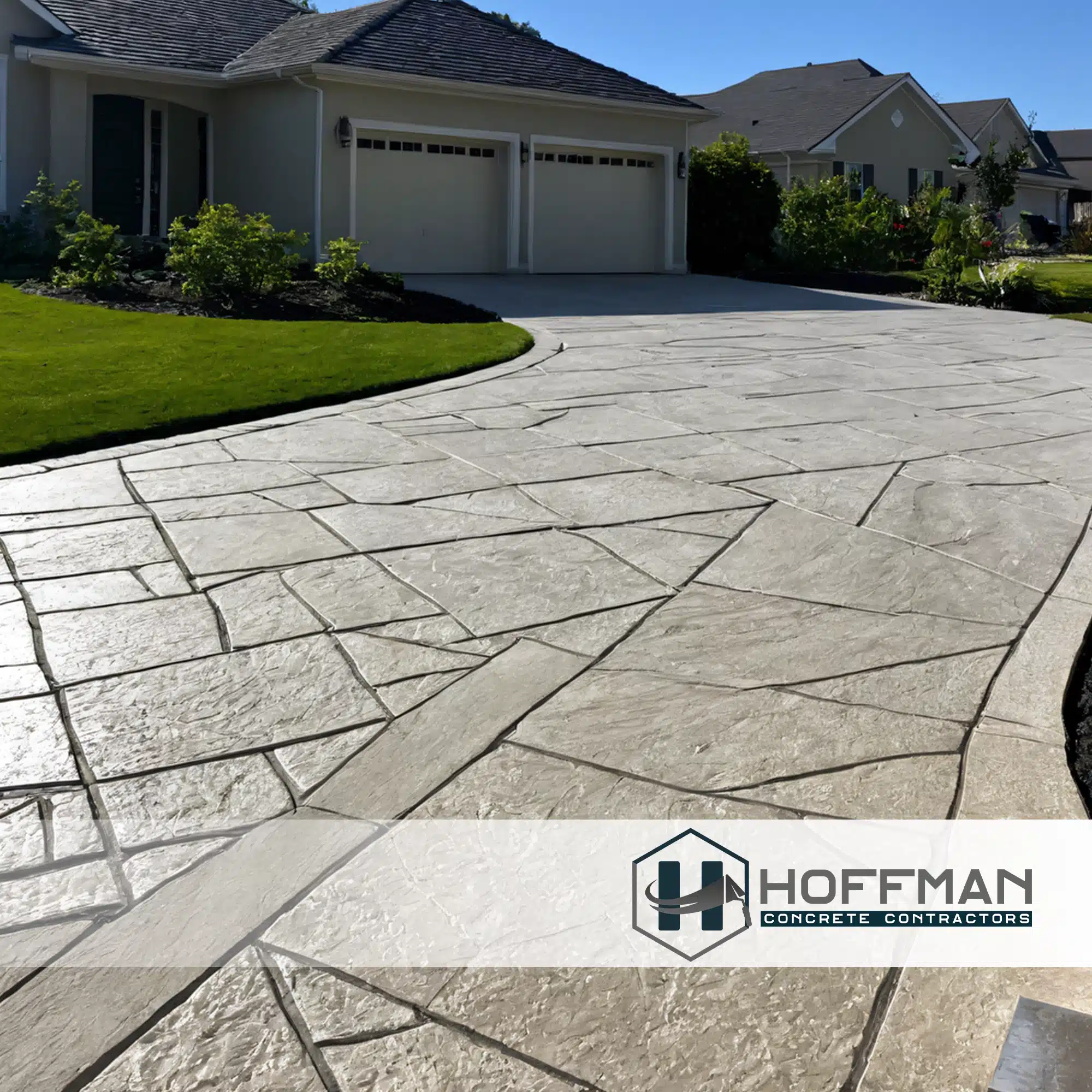
When planning your walkway installation, choosing the right materials can significantly affect its longevity. Opt for options that are not only cost-effective but also offer durability. Pavers, for instance, can withstand various weather conditions without cracking or fading. Another excellent choice is stamped concrete, which mimics the look of traditional stone or brick while providing a sturdy surface that resists wear.
Incorporating proper drainage can also enhance the lifespan of your walkway. Moisture can lead to erosion and cracking over time. Installing a slight slope away from your home helps direct water away from the walkway. Additionally, using a good quality sealant can protect surfaces from the elements, keeping them looking fresh and new for longer.
Regular maintenance is essential for extending the lifespan of your walkway. Start by inspecting for any cracks or uneven surfaces, as these issues can worsen over time. Depending on the material, fills or sealants may be necessary to prevent water infiltration and further damage. Keeping the surface clear of debris such as leaves or snow will reduce wear and tear while improving safety and aesthetics.
Cleaning your walkway periodically can also help maintain its appearance. Use a pressure washer or a broom to remove dirt and grime from the surface. For materials like pavers or bricks, replacing any loose stones promptly can prevent more extensive repairs later. Incorporating proper maintenance into your routine will complement the initial efforts made during Walkway Installation, ensuring your path remains both functional and attractive for years to come.
Regular maintenance plays a vital role in ensuring the longevity of your walkway. Depending on the materials used, sweeping away debris, leaves, and dirt can prevent the build-up of stains and mold. Washing the surface with a gentle detergent helps remove more stubborn grime, keeping the appearance fresh. For paver walkways, occasional resetting of displaced stones can maintain an even surface, which is essential for safety and aesthetics.
In addition to surface cleaning, sealing your walkway can significantly enhance its durability. Walkway installation often includes advice on whether a sealant is appropriate for the chosen materials. If applicable, applying a sealant can protect against water infiltration and staining, especially in colder climates where freezing and thawing cycles can cause damage. Regularly checking for cracks or uneven areas allows you to address issues early, greatly extending the lifespan of your walkway.
Some of the most cost-effective materials include gravel, mulch, concrete pavers, and reclaimed bricks. These options are affordable and can be sourced locally.
Yes, a DIY approach can significantly reduce costs. With the right tools and a step-by-step guide, you can successfully complete the project on your own.
To enhance durability, consider using high-quality materials, implementing proper drainage solutions, and sealing your walkway. Regular maintenance also contributes to longevity.
Routine maintenance includes cleaning debris, inspecting for cracks or damage, and resealing materials as needed. This helps extend the lifespan of your walkway.
Yes, you can create budget-friendly designs by using simple patterns, incorporating plants along the edges, or mixing different materials like gravel and pavers for visual interest without a high cost.
612 Painter St, Media, PA 19063
https://hoffmanconcretecontractors.com/
+16106386380
WJ82+88 Media, Pennsylvania
Open 24 hours
461 Rugby Rd, Birdsboro, PA 19508
https://hoffmanconcretecontractors.com/reading-pa/
+14849981139
Open 24 hours

Copyright © Hoffman Concrete Contractors - Media. All Rights Reserved