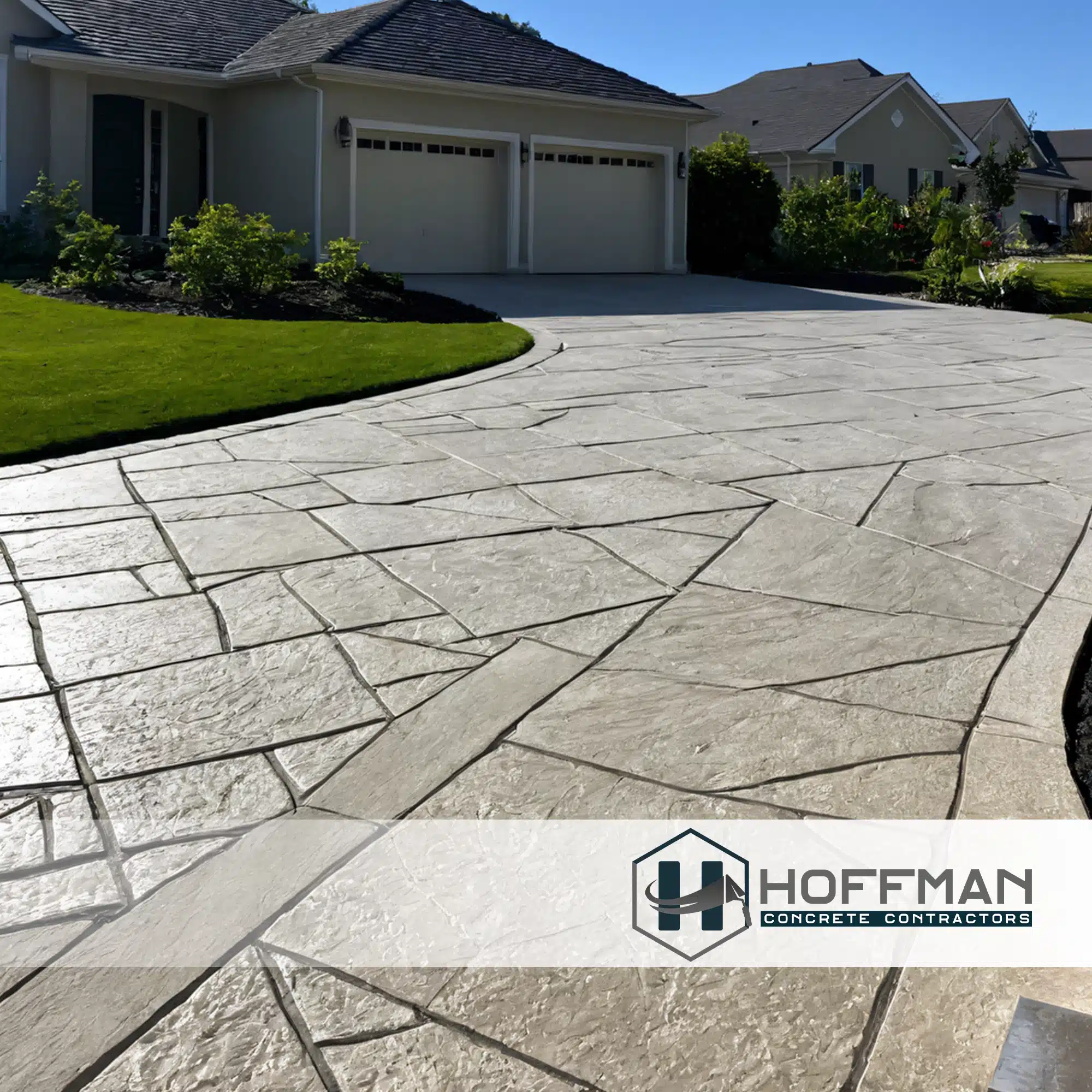
The initial step in stamped concrete installation involves preparing the surface to ensure proper adhesion and imprinting. This often requires the removal of existing materials and grading the area to create a solid foundation. Once the surface is ready, a base layer of concrete is poured, leveled, and smoothed out to provide an even canvas for the stamping process. Timing is critical; the concrete must be set just right for the stamps to create clear and defined patterns.
After the concrete reaches the appropriate consistency, the stamping begins. Patterns and textures are chosen based on the desired aesthetic, and specific tools are used to imprint these designs. Workers press the stamps firmly into the concrete while taking care to avoid any slip or movement that could distort the design. Once the area is completely stamped, the finished surface can be further smoothed to enhance its appearance before moving on to the next steps.
The techniques used for imprinting designs in stamped concrete installation play a crucial role in achieving a realistic and aesthetically pleasing finish. Different patterns and textures can be created using various tools, such as stamping mats and rollers. Contractors often utilize pre-made molds that imitate natural materials like stone, brick, or tile, allowing for a wide range of customization options. The timing of imprinting is essential as the concrete must be at the right consistency; too hard and the designs won't set, too soft and they can distort.
In addition to using molds, color choices also contribute significantly to the overall effect of stamped concrete installation. Integral colors can be added to the mix, or surface-applied stains can enhance the visual appeal once the concrete has set. When applying designs, attention to detail is vital; this ensures that patterns align properly and maintain uniformity across the surface. The combination of imprinting techniques and color applications results in a dynamic, textured finish that can elevate the look of any outdoor space.
Once the stamping process is complete, attention turns to the finishing touches that enhance the look and durability of stamped concrete. This stage involves thoroughly cleaning the surface to remove any debris or excess release agent used during stamping. After cleaning, professionals often apply a concrete sealer. This step not only enhances the color and finish of the stamped surface but also protects it from water, stains, and UV damage. Proper sealing is essential for maintaining the appearance and integrity of the concrete over time.
After sealing, it's crucial to inspect the stamped concrete installation for any imperfections. Touch-ups may be necessary, especially around edges or in areas where the design may have been uneven. The final inspection ensures that both aesthetic and functional standards meet the expectations of the project. These finishing touches are vital for creating a polished and professional appearance, allowing the stamped concrete to shine in its intended setting.
Applying sealants is a crucial step in the maintenance of stamped concrete installations. Sealants provide a protective layer that guards against moisture infiltration, stains, and damage from UV rays. By applying an appropriate sealant, the vibrancy of the colors and patterns in the stamped concrete can be preserved over time. It prevents the deterioration that can result from harsh weather conditions and everyday wear, ensuring the surface remains attractive and functional.
Different types of sealants are available, including acrylic, epoxy, and penetrating sealers. The choice of sealant often depends on the specific needs of the stamped concrete installation and the intended use of the surface. For outdoor installations, a high-quality water-based or solvent-based sealant is typically recommended. Application should be done carefully, ensuring an even coat for optimal protection. Regular maintenance and resealing every few years can significantly extend the lifespan of the stamped concrete.
Curing is a critical step in the stamped concrete installation process. It allows the concrete to gain strength and durability while minimizing the risk of cracking. During curing, moisture must be maintained in the concrete mix to aid in the hydration of the cement particles. This can be achieved through various methods such as covering the surface with wet burlap, using curing compounds, or applying plastic sheeting to trap moisture.
The duration of the curing process typically lasts for at least seven days, depending on environmental conditions. Proper curing not only enhances the strength of the concrete but also affects the overall finish of the stamped surface. Without appropriate curing, the integrity of the stamped concrete may be compromised, leading to unsatisfactory outcomes and shortened lifespan. Careful attention to this stage can significantly impact the final results of the stamped concrete installation.
Proper curing is essential for the longevity and durability of stamped concrete installations. Curing allows the concrete to reach its intended strength and reduces the risk of surface cracking. During this period, the moisture within the concrete must be retained to facilitate a chemical reaction that strengthens the material. Without adequate curing, the surface may weaken, leading to unsightly imperfections that can detract from the overall aesthetic of the stamped design.
Timing is crucial when it comes to curing. The typical curing period lasts for at least seven days, but this can vary based on factors such as weather conditions and the type of concrete mix used. It is important to monitor the installation closely, especially in extreme temperatures or dry conditions, as these can accelerate moisture loss. Implementing methods like covering the surface with wet burlap or using curing compounds can significantly improve the curing process, ensuring the stamped concrete installation remains both beautiful and resilient for years to come.
Stamped concrete is a decorative concrete technique that involves imprinting patterns and textures onto freshly poured concrete to resemble materials like brick, stone, or tile.
The key steps in the stamped concrete process include preparing the surface, pouring the concrete, stamping the surface with designs, applying sealants for protection, and curing the concrete properly.
The stamping process can typically be completed in a day, but the entire project duration will depend on factors such as the size of the area, weather conditions, and the complexity of the design.
Proper curing is important for stamped concrete because it ensures the concrete develops the necessary strength, durability, and prevents issues like cracking or surface damage.
To maintain stamped concrete, you should regularly clean the surface, avoid using harsh chemicals, and reapply sealants every few years to protect the finish and enhance its appearance.
612 Painter St, Media, PA 19063
https://hoffmanconcretecontractors.com/
+16106386380
WJ82+88 Media, Pennsylvania
Open 24 hours
461 Rugby Rd, Birdsboro, PA 19508
https://hoffmanconcretecontractors.com/reading-pa/
+14849981139
Open 24 hours

Copyright © Hoffman Concrete Contractors - Media. All Rights Reserved