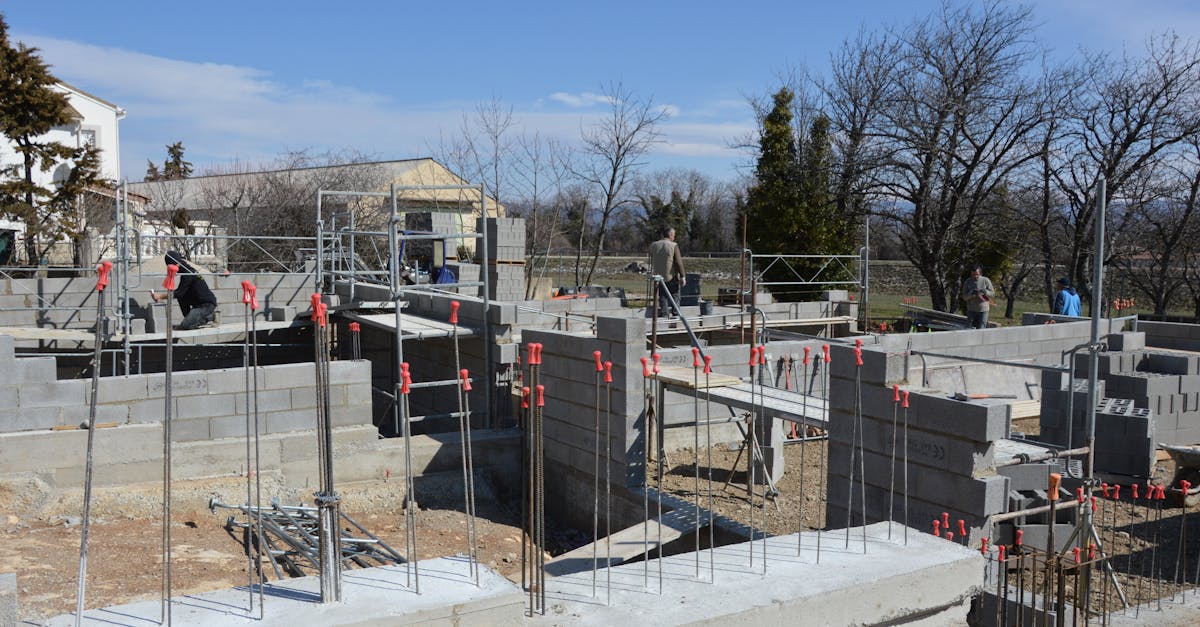
Various additional features can significantly impact the overall cost of foundation installation. Elements such as insulation, drainage systems, and waterproofing measures are crucial for ensuring the durability and longevity of a foundation. Insulation is essential in maintaining temperature control and preventing frost heave. Proper drainage systems help to redirect water away from the foundation, ultimately averting potential damage. Waterproofing not only protects against water intrusion but also extends the lifespan of the foundation.
Another factor to consider is the specific requirements set by local building codes and regulations. Different regions may have varying standards that dictate the quality and type of materials used during foundation installation. Compliance with these regulations can incur additional costs, particularly if inspections or approvals are needed during the construction process. Understanding these local mandates is vital for homeowners to prepare for the widespread impact they may have on the overall budgeting for their foundation project.
Insulation plays a crucial role in maintaining the integrity and energy efficiency of a foundation. Proper insulation minimizes heat loss in colder climates and helps regulate temperatures in the living space above. This added layer of protection can significantly impact the overall comfort and energy expenses of a home. Incorporating advanced insulation materials during foundation installation can lead to long-term cost savings.
Drainage and waterproofing are equally vital components that ensure a foundation remains dry and stable. Effective drainage systems prevent water accumulation around the foundation, which can lead to structural damage over time. Waterproofing methods protect against moisture infiltration, safeguarding against mold and mildew. Investing in these features during foundation installation helps extend the lifespan of the structure while promoting a healthier living environment.
When undertaking foundation installation, it is essential to be aware of local building codes and regulations. These guidelines dictate the necessary permits required for construction and ensure that the work complies with safety standards. Failing to secure the appropriate permits can lead to fines, delays, and even the requirement to redo the work, which can significantly increase overall costs. Familiarity with these regulations is integral to a smooth construction process.
In addition to obtaining permits, property owners must consider the specific requirements set by local authorities. Regulations may dictate the depth of the foundation, the materials used, and the installation techniques permissible in the area. Municipalities often have unique stipulations based on soil type and environmental conditions, which influences foundation installation. Understanding these aspects early in the planning phase will contribute to the project's success and help avoid potential legal complications.
Local building codes play a crucial role in foundation installation. These regulations ensure that structures are safe, durable, and environmentally sound. Each region has its own set of guidelines, which can vary significantly based on factors such as climate, soil type, and proximity to flood zones. Understanding these codes is essential for homeowners and contractors alike. Failing to comply with local regulations can result in costly fines and delays in the construction process.
Before beginning any foundation installation, it is vital to consult local authorities or a qualified professional. This step helps ensure that all requirements are met and appropriate permits are obtained. Additionally, knowing the specifics of local building codes can influence design choices and materials used in foundation installation. Homeowners should be proactive in addressing these regulations to avoid complications later in the project.
Financing options for foundation installation can significantly ease the burden of upfront costs. Homeowners may explore various avenues, including personal loans or home equity lines of credit. These solutions can provide the necessary funds to cover the expenses associated with foundation work, allowing for more manageable repayment schedules over time. It's essential to compare interest rates and terms to find the best fit for the project's budget.
In addition to traditional loans, some may qualify for grants or assistance programs aimed at home improvement. Local and state governments sometimes offer financial aid for essential repairs and upgrades, including foundation installation. Payment plans arranged directly with contractors provide another avenue for budget-conscious homeowners, allowing for flexibility without compromising the quality of work. Exploring all available options can lead to a more informed financial decision.
When considering foundation installation, various financing options can alleviate the financial burden. Homeowners often explore loans specifically designed for home improvements, which may offer competitive interest rates and flexible repayment terms. These loans can cover the expenses associated with materials, labor, and any additional features required for a robust foundation.
In some cases, local or state programs may provide grants aimed at assisting homeowners with foundation installation costs. These grants often target low-income families or specific communities. Additionally, many contractors offer payment plans that allow homeowners to spread the cost over time, making it easier to manage finances while ensuring that the foundation work is completed promptly.
The average cost for a 2000 square foot foundation typically ranges from $15,000 to $30,000, depending on various factors such as location, materials, and complexity of the project.
Additional features such as insulation, drainage systems, and waterproofing can significantly increase the cost of a foundation. Each of these features adds to both labor and material expenses.
Yes, most localities require permits for foundation work to ensure compliance with building codes and safety regulations. It's essential to check with your local building authority for specific requirements.
There are various financing options available, including home improvement loans, grants, and payment plans offered by contractors. It's advisable to explore these options to find one that best suits your financial situation.
When selecting a contractor, consider their experience, reputation, and reviews from previous clients. Additionally, ensuring they are licensed and insured is crucial for peace of mind and quality assurance.
612 Painter St, Media, PA 19063
https://hoffmanconcretecontractors.com/
+16106386380
WJ82+88 Media, Pennsylvania
Open 24 hours
461 Rugby Rd, Birdsboro, PA 19508
https://hoffmanconcretecontractors.com/reading-pa/
+14849981139
Open 24 hours

Copyright © Hoffman Concrete Contractors - Media. All Rights Reserved