The cost of materials can fluctuate significantly based on geographic location. In regions where asphalt is more readily available, prices tend to decrease due to lower transportation costs and higher supply levels. Conversely, areas with limited access to asphalt may face elevated prices, making concrete a potentially more cost-effective option. Local demand also influences pricing. High demand for driveway installation in densely populated areas can lead to increased costs for both asphalt and concrete, impacting the overall budget for homeowners.
Climate plays a crucial role in determining the material of choice as well. In warmer climates, asphalt may be favored for its flexibility and lower initial costs. However, in regions prone to extreme weather fluctuations, the durability of concrete could prove beneficial in the long run despite a higher upfront investment. Homeowners considering driveway installation need to assess regional trends and potential variations in material costs to make informed decisions that align with their financial and practical needs.
Material costs for asphalt and concrete can fluctuate significantly based on geographic location. Regions with abundant raw materials, such as aggregates, typically see lower prices for both asphalt and concrete. Conversely, areas where transportation costs are higher due to distance from supply sources can drive up expenses. Local demand for construction services also plays a crucial role, as competitive pricing in bustling markets may lead to lower overall costs for projects like Driveway Installation.
Labor costs associated with each material can differ based on local wage standards and the availability of skilled workers. Some areas may have a higher concentration of contractors experienced in a specific material, which can influence pricing. For instance, if a region has more specialists in Driveway Installation using asphalt, the competition could lead to lower installation costs compared to concrete, which might require different expertise. Understanding these regional pricing nuances is vital for homeowners and businesses planning to undertake a paving project.
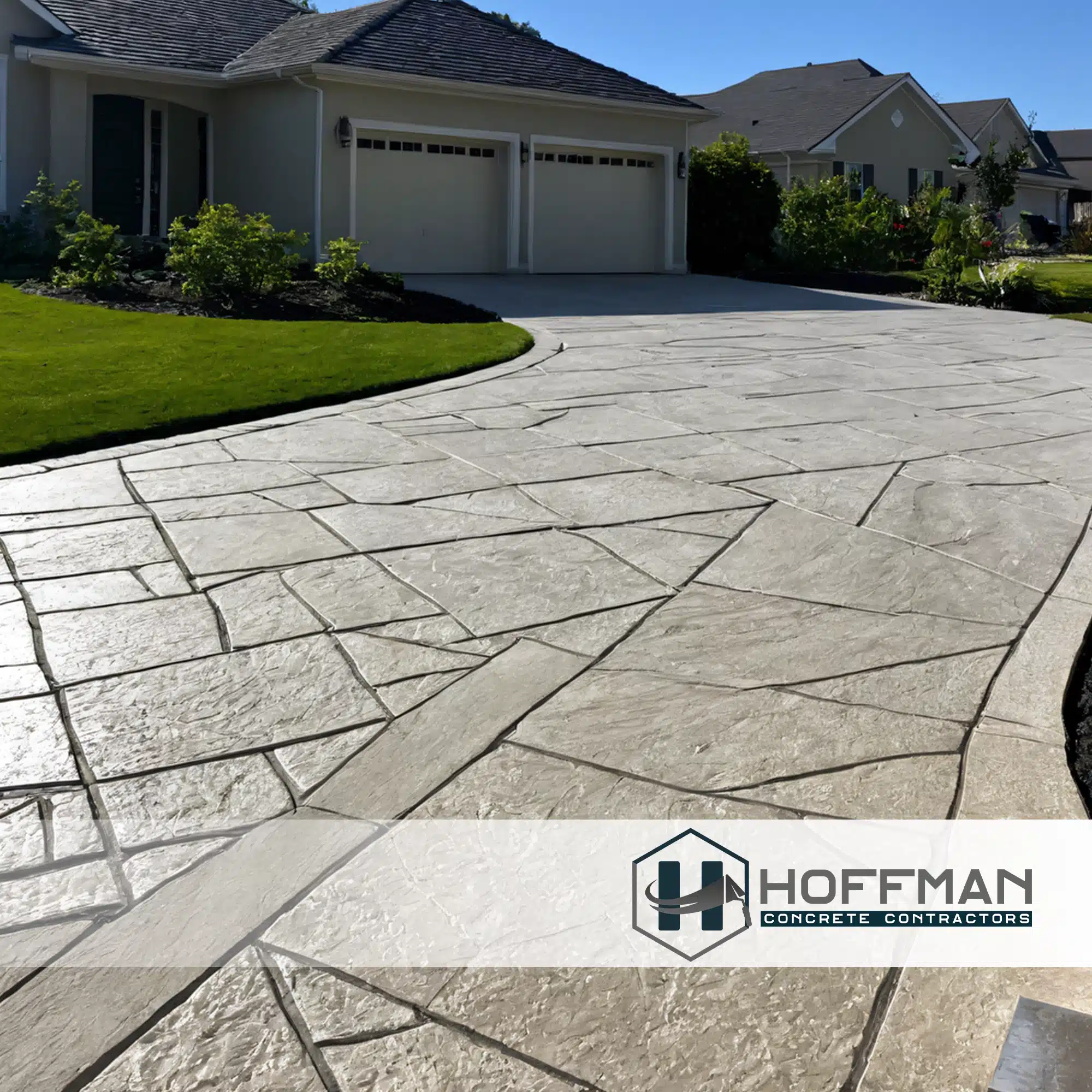
Choosing between asphalt and concrete often involves considering the aesthetic options available, as each material presents different design possibilities. Asphalt typically offers a more limited range of colors and textures, making it less versatile when it comes to customization. In contrast, concrete can be stamped, stained, or molded into various shapes, allowing homeowners to achieve a distinctive look that aligns with their vision for driveway installation. This customization can significantly influence overall costs, as more intricate designs and finishes require additional labor and materials.
The cost implications for aesthetic choices do not stop at the initial installation. Maintenance also plays a crucial role when selecting materials based on visual appeal. Concrete driveways might need sealing to maintain their appearance, while asphalt may require resurfacing to avoid fading and cracking over time. Thus, while asphalt may initially seem like the cheaper option, the long-term costs associated with maintaining the aesthetics can vary dramatically based on the chosen material. Understanding these factors is essential for homeowners planning their driveway installation and seeking an attractive, durable exterior.
Customization plays a significant role in determining the costs associated with driveway installation. Homeowners have the option to select various textures, colors, and patterns that can be applied to both asphalt and concrete surfaces. While asphalt can be stamped or dyed to achieve a unique look, concrete offers more extensive design capabilities. This flexibility can lead to increased expenses, particularly if intricate designs or specialized finishes are desired.
Beyond aesthetics, the choice of materials influences the long-term maintenance and durability of the driveway. Concrete's capacity for customization often comes with higher upfront costs, but its durability may provide better value over time. On the other hand, asphalt driveways typically have a lower initial price, yet the need for resurfacing or maintenance sooner might offset those savings. Making an informed choice based on design preferences and future maintenance requirements is essential when planning for driveway installation.
Asphalt and concrete display distinct characteristics when it comes to heat and weather resistance. Asphalt tends to soften under high temperatures, which can create ruts and indentations. This quality makes it less suitable for regions that frequently experience extreme heat. Conversely, concrete withstands higher temperatures without deforming, making it a more durable choice for warmer climates. For those considering Driveway Installation in such areas, concrete may offer long-term stability and less maintenance over time.
In cold climates, both materials face challenges. Asphalt can become brittle and crack with freeze-thaw cycles, while concrete may also develop surface cracks. However, advances in both material compositions have improved their resilience against harsh weather conditions. When contemplating Driveway Installation, it's essential to evaluate not just the initial costs, but also the potential long-term performance and maintenance needs associated with each material.
Different performance factors significantly influence the overall cost of materials used in driveway installation. Asphalt typically requires less time for installation and can be a quicker option, which may reduce labor costs compared to concrete. Additionally, asphalt's flexibility allows it to handle temperature shifts better, resulting in fewer cracks over time. This durability can potentially lower maintenance expenses in the long run.
Conversely, concrete often presents a higher initial expense due to its strength and longevity. Its resistance to extreme weather can make it more appealing in certain regions, despite the higher upfront costs associated with installation. The performance of either material can also be impacted by local climate conditions, leading to varying long-term value. Understanding these factors is crucial when considering the best option for driveway installation.
Yes, asphalt is typically cheaper than concrete, especially in terms of material costs and installation. However, the overall cost can vary based on regional pricing and specific project requirements.
Factors such as location, availability of materials, labor costs, and project specifications can significantly influence the pricing of both asphalt and concrete.
Yes, both asphalt and concrete offer a variety of aesthetic options. However, concrete often provides more customization and design possibilities, though at a higher cost.
Asphalt tends to perform better in warmer climates, while concrete can withstand extreme heat and cold. These performance factors can influence long-term maintenance costs and initial installation expenses.
Concrete generally has a longer lifespan than asphalt, lasting up to 30 years with proper maintenance, while asphalt usually lasts around 15-20 years. This longevity can impact overall cost-effectiveness over time.
612 Painter St, Media, PA 19063
https://hoffmanconcretecontractors.com/
+16106386380
WJ82+88 Media, Pennsylvania
Open 24 hours
461 Rugby Rd, Birdsboro, PA 19508
https://hoffmanconcretecontractors.com/reading-pa/
+14849981139
Open 24 hours

Copyright © Hoffman Concrete Contractors - Media. All Rights Reserved