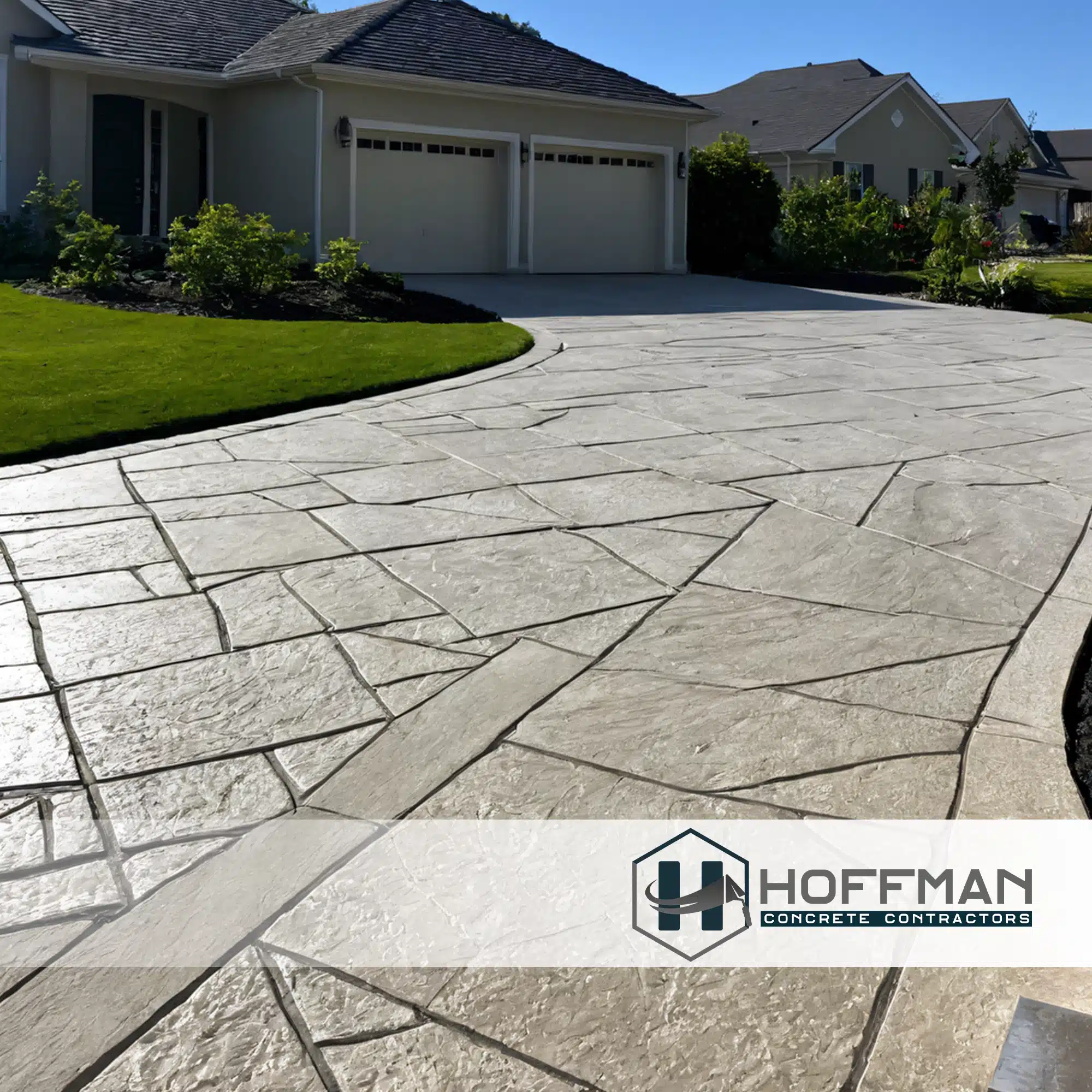
When planning a patio installation, additional features can significantly influence the overall cost. Features such as outdoor lighting, furniture, and landscaping elements can enhance the functionality and aesthetics of the space. Outdoor lighting not only improves visibility but also creates a welcoming ambiance for evening gatherings. Furniture selection can range from budget-friendly options to high-end pieces, affecting the total expenditure considerably. Landscaping, including plants, flowers, and decorative rocks, can elevate the look of the patio but requires careful budgeting.
Considerations for surface materials also play a crucial role in determining expenses for a patio installation. Options such as natural stone, pavers, or concrete vary widely in price and durability. The choice between fixed structures like pergolas or umbrellas can add to costs but also provide added comfort and style. By thoughtfully selecting these additional features, homeowners can create a patio that fits both their aesthetic desires and budget constraints.
Incorporating lighting, furniture, and landscaping into your patio installation can significantly impact the overall budget. A well-designed lighting system enhances the ambiance and extends usability into the evening. Solar-powered lights or low-voltage LED options provide cost-effective solutions without high electricity costs. Furniture selections also vary widely in price, from basic folding tables and chairs to custom, weather-resistant sets that offer comfort and style.
Landscaping complements the space, adding natural beauty and enhancing the overall aesthetic. Simple flower beds or potted plants can be a low-cost option, while more elaborate designs with trees, shrubs, and pathways may require a larger investment. Consideration of maintenance needs and seasonal changes is essential when budgeting. Together, these elements are crucial aspects of a comprehensive patio installation plan.
When considering patio installation, many homeowners weigh the pros and cons of tackling the project themselves or hiring professionals. DIY enthusiasts often appreciate the sense of accomplishment that comes with completing a personal project. Additionally, opting for a do-it-yourself approach can significantly reduce labor costs, allowing for more budget flexibility in materials and other enhancements. However, this path requires a solid understanding of construction techniques and a commitment of time and effort, which can be challenging for those without prior experience.
On the other hand, professional installation offers expertise and efficiency. Skilled contractors bring knowledge of best practices and industry standards, which can lead to higher quality workmanship. Their experience often allows them to navigate potential challenges, such as local building codes and regulations. While this option may come with a higher upfront cost, the benefit of a beautifully constructed patio that stands the test of time can make it a worthwhile investment for many homeowners.
When considering patio installation, opting for a DIY approach can save significant money on labor costs. Homeowners often find fulfillment in personally completing their projects. They can customize the design to their liking without being restricted by a contractor's vision. However, DIY installation can lead to unexpected challenges, especially for those without prior experience in construction or landscaping. Mistakes might occur, resulting in additional expenses or delays.
On the other hand, hiring professionals for patio installation ensures a level of expertise and efficiency that may not be achievable with a DIY project. Professionals understand local regulations and building codes, which helps in navigating necessary permits more smoothly. Their experience may also result in a more polished finished product. Yet, the costs associated with professional services can be substantially higher. Homeowners will need to weigh the benefits of quality workmanship against the potential financial burden.
When planning a patio installation, understanding local building codes and regulations is crucial. Many municipalities require permits for outdoor structures, especially those that may affect drainage, zoning, or property lines. Fees for these permits can vary widely based on location and the specifications of the project. Gathering all necessary documentation before starting can save time and prevent potential fines.
In addition to permits, homeowners should also consider any inspections that may be required during or after the construction process. These inspections ensure that the installation adheres to safety and structural standards. Factor these potential costs into the overall budget, as neglecting them can lead to unexpected expenses down the line. Being proactive about permits and inspections contributes to a smoother patio installation experience.
Before embarking on a patio installation project, understanding local building codes is essential. These regulations vary widely depending on the jurisdiction and can dictate various aspects of the construction process, including setbacks, height restrictions, and material requirements. Familiarizing yourself with these codes can prevent legal complications and ensure that the finished patio meets safety and aesthetic standards.
It's important to check with your local planning department or building authority regarding the specific requirements that apply to your area. Some locations might require permits for patio installation, particularly if the project involves significant alteration to your property. Failure to obtain the necessary permits can lead to fines and complications if the local authorities deem the patio installation non-compliant.
The average cost of building a 20x20 patio can range from $4,000 to $8,000, depending on materials, design, and labor costs.
Additional features like lighting, furniture, and landscaping can significantly increase the overall cost. For example, installing outdoor lighting or adding decorative furniture can add hundreds to thousands of dollars to your budget.
Building a patio yourself can save on labor costs, making it cheaper in the short term. However, hiring a professional can ensure better quality and adherence to local codes, which may save you money in the long run.
Permits vary by location, but most areas require a building permit for patio construction. It's important to check with your local building department to understand the requirements in your area.
Local building codes can typically be found on your city or county's official website or by visiting your local building department. It's crucial to understand these regulations to ensure your patio is compliant.
612 Painter St, Media, PA 19063
https://hoffmanconcretecontractors.com/
+16106386380
WJ82+88 Media, Pennsylvania
Open 24 hours
461 Rugby Rd, Birdsboro, PA 19508
https://hoffmanconcretecontractors.com/reading-pa/
+14849981139
Open 24 hours

Copyright © Hoffman Concrete Contractors - Media. All Rights Reserved