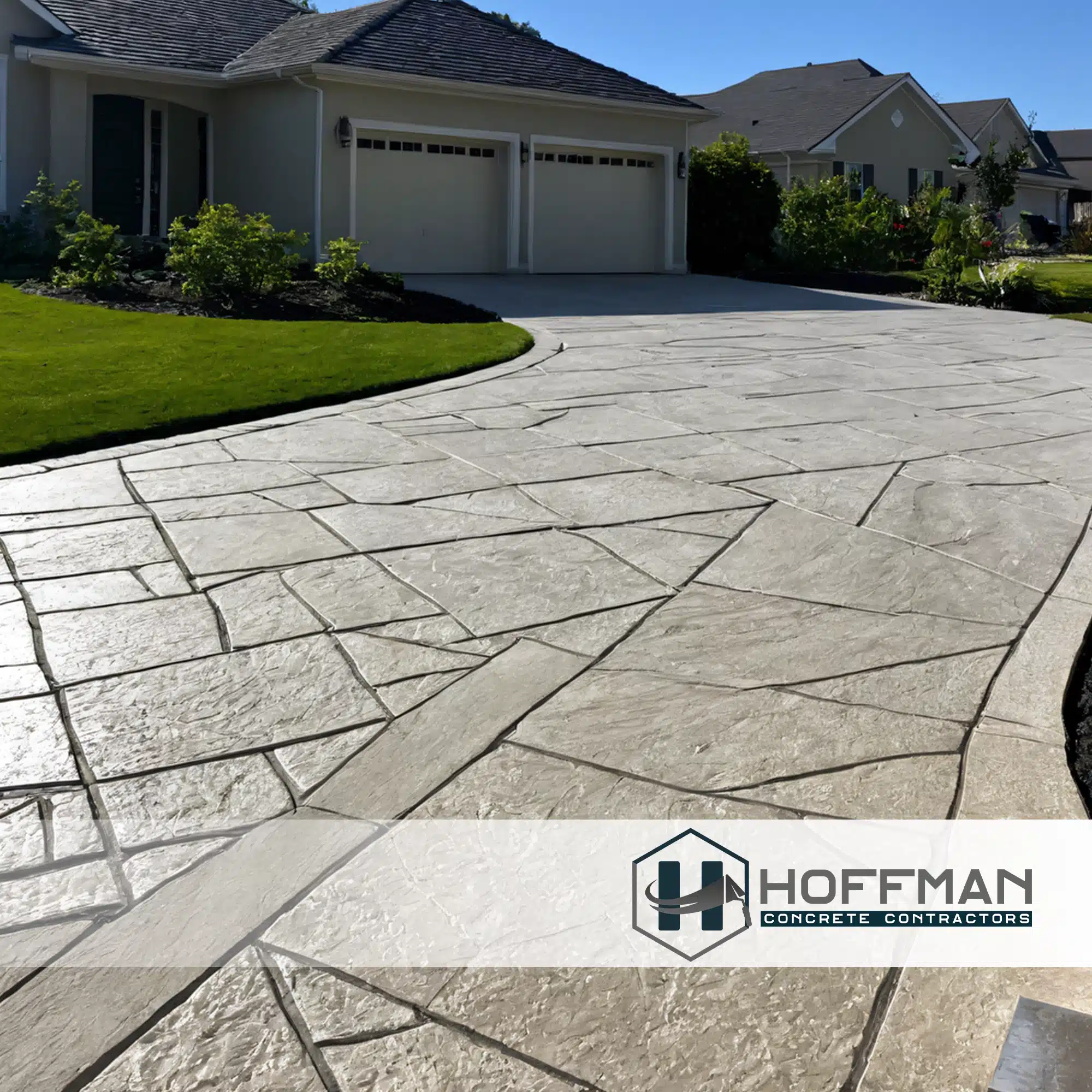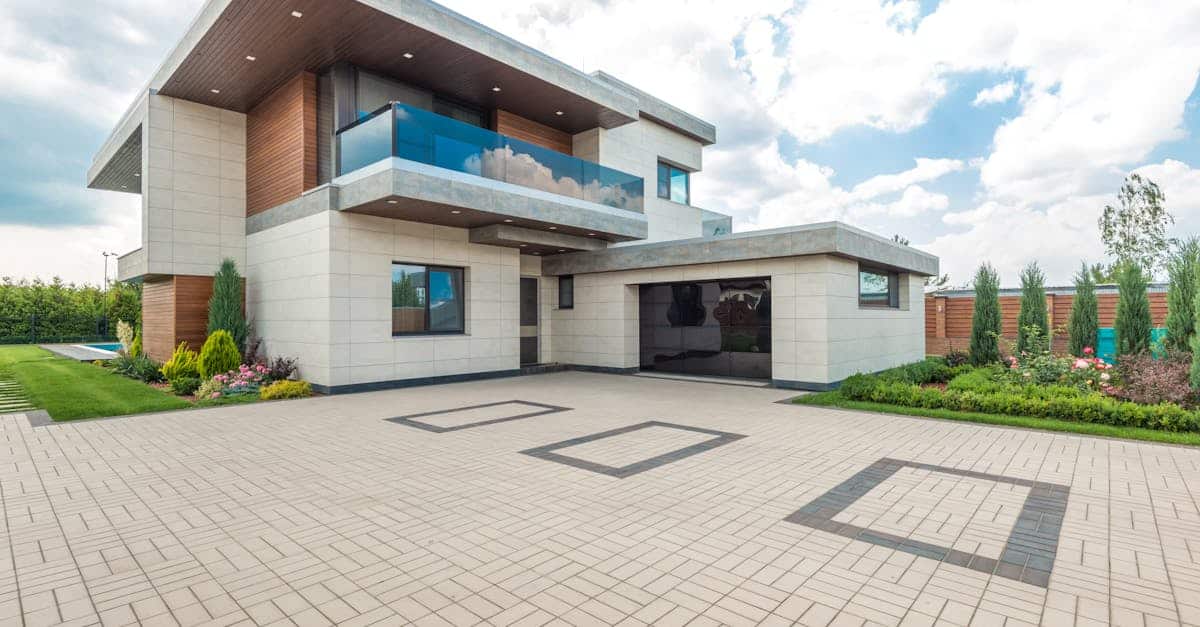
Aesthetic options in the realm of paving and concrete offer a diverse palette for homeowners and designers alike. While traditional concrete surfaces have a clean and minimalist appeal, advances in techniques such as stamped or stained concrete have expanded design possibilities considerably. Textured finishes, various colors, and patterns can transform plain concrete into an eye-catching feature.
In contrast, paving stones or bricks provide a more classic and charming look. They come in numerous shapes, sizes, and colors, allowing for intricate designs and durable surfaces. Concrete paving can mimic the appearance of traditional brick or stone while offering the benefits of a solid, uniform surface. The visual differences between these materials profoundly influence choices based on style and functional needs.
Design choices significantly impact both the aesthetics and cost of a project. Concrete paving offers a sleek and uniform appearance, which can appeal to homeowners looking for modern curb appeal. However, the initial installation of concrete tends to cost more than many paving options, especially when considering the labor and materials involved. Custom designs or patterns can elevate the price further, meaning that the final costs can vary widely depending on the chosen style and complexity.
On the other hand, traditional paving materials like bricks or stones can provide an equally attractive look while often being less expensive in terms of installation. The availability of materials also plays a crucial role in cost implications. Depending on the region, some pave materials might be more accessible, thus reducing transport expenses. Careful consideration of both aesthetic preferences and budget constraints will help homeowners make informed decisions.
The environmental impact of a project can significantly influence the choice between paving and pouring concrete. Concrete paving typically involves the use of raw materials that can contribute to soil degradation and increased carbon emissions during production. The extraction of aggregates places additional strain on natural resources, while the curing process of concrete releases carbon dioxide, which can exacerbate climate change issues.
On the other hand, various paving options utilize more sustainable materials. Permeable paving surfaces allow for better water drainage and can help reduce runoff, contributing positively to local ecosystems. Some paving materials are also made from recycled content, further enhancing their environmental appeal. When considering long-term sustainability, the choice between concrete paving and alternative surfaces will hinge on balancing durability with environmental stewardship.
The sustainability of paving options compared to concrete presents a complex picture. Traditional concrete paving often involves significant energy consumption and carbon emissions during production. In contrast, certain paving materials, such as permeable pavers or reclaimed bricks, can reduce environmental impact. These alternatives allow for better water management and often utilize recycled content, promoting a circular economy.
Concrete paving can also be designed with eco-friendly practices in mind. Innovations such as using recycled aggregate and incorporating reflective surfaces help to mitigate urban heat islands. However, the long lifecycle of concrete installations can balance its relatively higher immediate environmental costs. Ultimately, the choice between paving and concrete hinges on specific project requirements and long-term sustainability goals.
The installation process for paving and concrete involves different methods and timelines. For concrete, preparation begins with site assessment followed by excavation to create a stable foundation. Once the area is ready, concrete is mixed and poured, requiring careful leveling and smoothing to ensure a durable surface. This can help to prevent cracking and other issues in the future. The curing process is essential and can take several days before the concrete is fully set, which may affect usability.
Concrete paving, on the other hand, usually offers an advantage in terms of speed. With pre-manufactured pavers, the groundwork still needs to be prepared, but the pavers can be laid much quicker than pouring concrete. After establishing a solid base, the pavers are placed in the desired pattern, and sand is swept into the joints for stability. This method allows for individual pieces to be replaced easily if damaged, which adds to its practicality over time. Both methods require skilled labor to ensure quality results.
The installation process for both paving and pouring concrete involves distinct steps. For paving, preparation of the site is critical. This often includes clearing debris and leveling the ground. Once the area is prepped, laying down a base material helps ensure proper drainage and stability. The paving stones or slabs are then arranged in desired patterns, allowing for adjustments as needed. Finally, sand is swept between the joints to secure the stones in place.
In contrast, pouring concrete requires a different approach. The initial step also involves site preparation, which includes excavating the area to the necessary depth and adding a sub-base if required. After preparation, forms are set up to control the shape of the concrete pour. Concrete is then mixed and poured into the forms, ensuring it is evenly distributed. Once poured, the surface is finished through leveling and smoothing techniques, ultimately sealing the installation. Both processes have their unique features but are essential for achieving durable surfaces, whether through concrete paving or traditional concrete methods.
Generally, paving tends to be cheaper than pouring concrete, but costs can vary based on factors like materials used, labor, and project size.
Yes, paving offers more diverse aesthetic options with various materials and styles, while concrete provides a more uniform and modern look.
Paving can be more environmentally friendly due to its permeability, which allows for better water drainage and reduces runoff, while concrete can contribute to heat island effects.
The installation processes differ; paving typically involves laying individual stones or bricks with a base preparation, while pouring concrete involves mixing, pouring, and curing a continuous slab.
Paving can be more sustainable in the long term due to the ability to repair or replace individual sections, whereas concrete can be more challenging to recycle and repair once damaged.
612 Painter St, Media, PA 19063
https://hoffmanconcretecontractors.com/
+16106386380
WJ82+88 Media, Pennsylvania
Open 24 hours
461 Rugby Rd, Birdsboro, PA 19508
https://hoffmanconcretecontractors.com/reading-pa/
+14849981139
Open 24 hours

Copyright © Hoffman Concrete Contractors - Media. All Rights Reserved