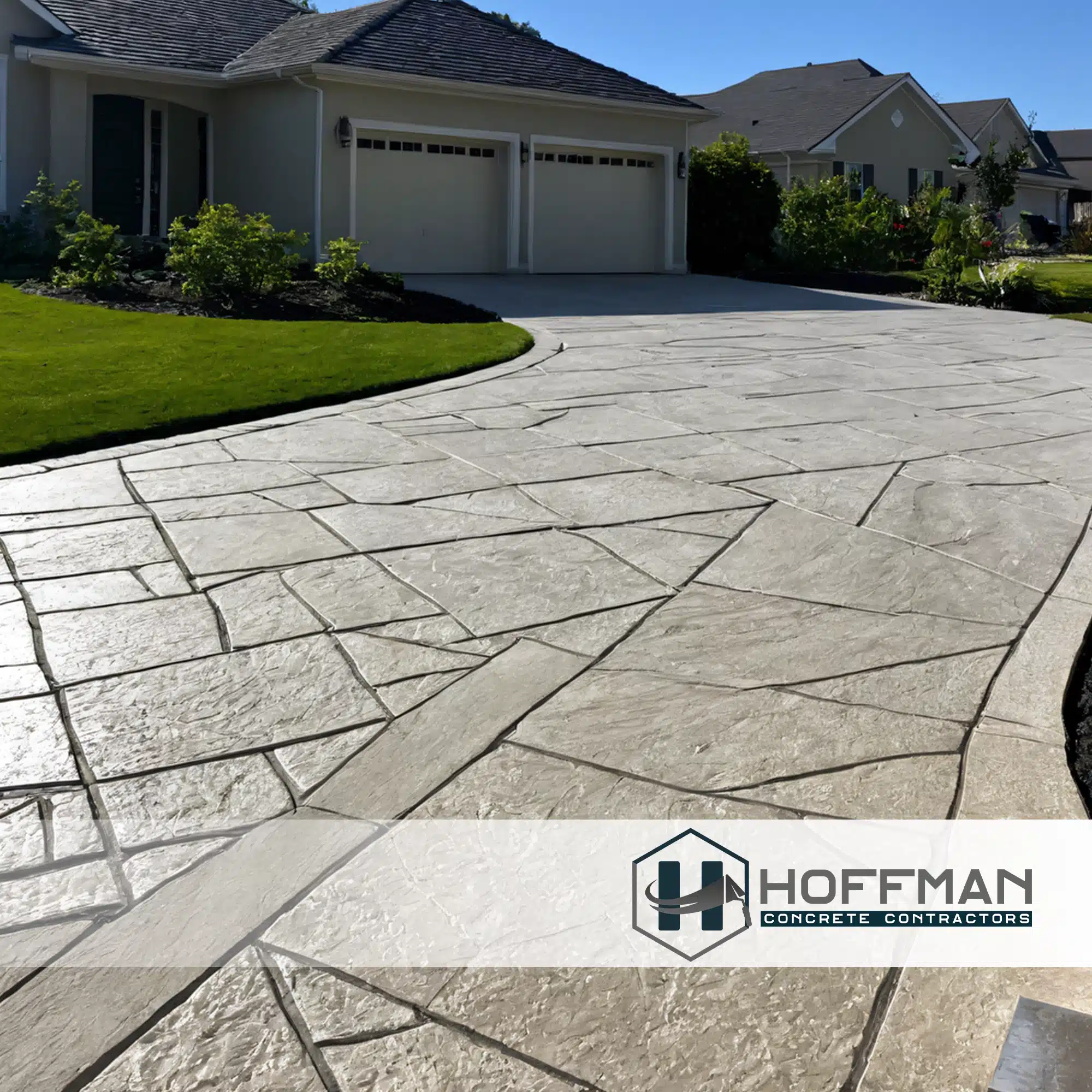
The installation process for concrete paving typically begins with site preparation, which involves leveling the ground and ensuring proper drainage. Following this, forms are set up to contain the concrete mixture. After mixing the concrete, it is poured into the forms and then spread evenly. This step requires precise work to avoid air pockets and ensure a strong foundation. Once poured, the concrete must cure for several days before any vehicle travel occurs, providing strength and durability.
In contrast, paving systems, such as brick or stone, involve laying individual pieces on a prepared base. The installation process includes selecting the right materials, arranging them in a desired pattern, and filling the gaps with sand or gravel. This method allows for quicker installation in some cases, as the need for curing is eliminated. Overall, while concrete paving can result in a solid, lasting surface, the installation demands meticulous attention to timing and environmental conditions.
When comparing the time and labor involved in installation, concrete paving often requires a more extensive commitment. The process of preparing the site, pouring the concrete, and allowing it to cure typically takes several days. This timeframe demands not only more labor but also specialized skills to ensure a high-quality finish. Workers need to handle the mixture and pour it in a way that minimizes imperfections, which can prolong the project duration.
In contrast, paving stones or asphalt can often be installed more quickly. The site preparation may be similar, but the actual placement of the pavers or asphalt can be less labor-intensive. These materials can often be ready for use in a matter of hours rather than days, depending on the size of the area being paved. Consequently, the overall labor costs can be lower for paving compared to concrete paving, making it an appealing option for many property owners.
The environmental impact of paving materials often depends on the types used and their sourcing processes. While concrete paving is durable and long-lasting, its production requires significant energy and raw materials, contributing to greenhouse gas emissions. On the other hand, some paving options utilize recycled materials or natural stone sourced through environmentally friendly practices, which can reduce their overall ecological footprint.
Sustainability concerns also arise from the potential runoff generated by impervious surfaces like concrete paving. This can lead to water quality issues in nearby waterways as pollutants accumulate. In contrast, permeable paving systems are designed to allow water filtration, promoting groundwater recharge and reducing urban flooding. The choice of materials and design has a significant effect on long-term environmental sustainability.
When assessing the sustainability of paving materials, several factors come into play, including resource consumption and life-cycle impacts. Concrete paving often requires significant energy usage during production, leading to higher carbon emissions. While innovations in technology aim to reduce this impact, traditional concrete still poses environmental challenges. In contrast, some paving alternatives utilize recycled materials or rapidly renewable resources, which can significantly lower their ecological footprint.
The maintenance and longevity of paving materials also influence their sustainability. Concrete paving generally boasts a longer lifespan compared to other options, which can offset its initial environmental costs. However, the need for repairs or replacement in less durable paving systems can lead to increased resource consumption over time. Evaluating sustainability requires considering not only the materials used but also their overall performance and lifespan within specific applications.
Weather plays a crucial role in determining the ideal timing for installation of paving or concrete surfaces. For instance, extreme temperatures can significantly affect the curing process of materials. Concrete paving requires specific temperature conditions to set properly, usually between 50°F and 85°F. Cold weather can delay curing while excessive heat may cause cracking if not managed correctly.
Rain and moisture also impact the planning and execution of such projects. Wet conditions can hinder effective bonding and lead to weak spots in the finished surface. Paving materials tend to be more forgiving than concrete in this regard, as they often require less stringent weather conditions for installation. It is essential to evaluate local climate patterns to choose the most suitable time for your project, ensuring durability and longevity of the surface.
Weather plays a crucial role in the installation and long-term performance of both paving and concrete materials. Rain can cause delays in the curing process of concrete, which typically requires a specific temperature and moisture level for optimal strength. In contrast, many paving materials, especially asphalt, can be laid in a wider range of conditions. However, extreme heat or cold can still impact their installation quality, affecting adhesion and general durability.
Concrete paving is particularly sensitive to temperature fluctuations. If installed in scorching heat, it risks drying too quickly, leading to cracks. Conversely, freezing temperatures may hinder the setting process, resulting in weak bonds. Regular maintenance, such as sealing and repairs, can alleviate some of these weather-related challenges, but understanding the effects of environmental conditions is vital for selecting the right material for any project.
Yes, paving can be cheaper than concrete, depending on the materials used and the size of the project. However, costs can vary based on location and installation methods.
Factors that influence cost include the type of materials used, installation process, labor costs, and the size and complexity of the area being paved.
The installation process for paving typically requires less labor and time compared to concrete, which can make it more cost-effective. However, the specific methods and materials used will also impact the final price.
Yes, while paving may be cheaper upfront, long-term maintenance costs should be considered. Paving materials may require periodic upkeep, while concrete tends to be more durable but can be more expensive to repair if damaged.
Yes, the environmental impact can differ. Paving materials can be more sustainable, especially if made from recycled products, while concrete production contributes to higher carbon emissions. Choosing eco-friendly options can help mitigate these impacts.
612 Painter St, Media, PA 19063
https://hoffmanconcretecontractors.com/
+16106386380
WJ82+88 Media, Pennsylvania
Open 24 hours
461 Rugby Rd, Birdsboro, PA 19508
https://hoffmanconcretecontractors.com/reading-pa/
+14849981139
Open 24 hours

Copyright © Hoffman Concrete Contractors - Media. All Rights Reserved