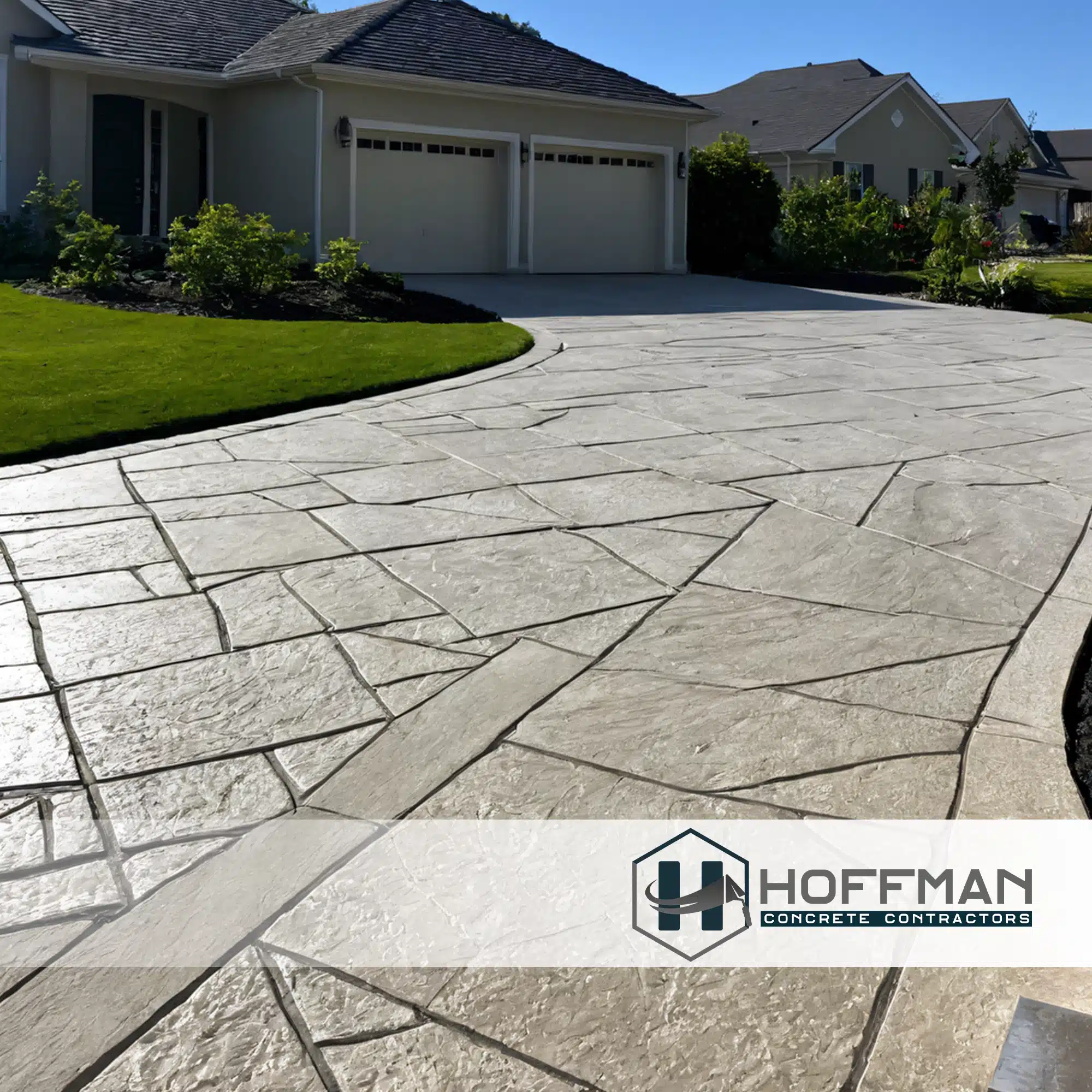
Concrete paving is widely utilized for various outdoor applications due to its durability and aesthetic versatility. Driveways benefit greatly from concrete paving as it withstands heavy vehicle loads while maintaining a clean, polished appearance. In residential settings, walkways crafted from concrete paving create safe and navigable paths that enhance curb appeal and guide visitors through gardens or yards.
Patios are another common application for concrete paving, offering a solid foundation for outdoor furniture and entertaining spaces. The material's ability to be stamped or stained allows homeowners to achieve a variety of decorative looks, making concrete paving an attractive option for both functional and visually appealing environments. Its resilience against weather elements further solidifies concrete paving as a preferred choice for exterior improvements.
Concrete paving serves as an excellent choice for driveways, walkways, and patios due to its durability and versatility. Homeowners appreciate the smooth, solid surface it provides, which facilitates easy movement for vehicles and pedestrians alike. The material's strength allows it to endure heavy loads without damage. Additionally, concrete paving can be finished in various ways, including stamped or stained options, to enhance visual appeal and complement the overall design of a property.
Safety is another important aspect of concrete paving in outdoor spaces. The surface offers superior traction which helps reduce the risk of slips and falls, especially when wet. Its longevity means that once installed, homeowners can enjoy years of reliable use without the frequent maintenance required by other materials. As a result, concrete paving remains a popular choice for creating functional and aesthetically pleasing outdoor areas.
Concrete paving offers distinct advantages when compared to alternative materials like asphalt, pavers, and natural stone. Its durability makes it resistant to cracking and weathering, ensuring a long-lasting surface that can withstand heavy traffic and harsh environmental conditions. Unlike asphalt, which may require regular sealing and maintenance, concrete paving requires relatively low upkeep, contributing to its overall cost-effectiveness.
On the other hand, while pavers can provide a more customized aesthetic with various colors and patterns, they often involve higher installation costs and increased labor requirements. Natural stone boasts a unique visual appeal but comes with a steeper price tag and challenges in maintenance. Concrete paving strikes a balance between functionality and affordability, making it a practical choice for a variety of applications while still allowing for decorative options if desired.
Asphalt is often considered a viable alternative to concrete paving for various outdoor surfaces. It offers a smooth finish and is typically quicker to install. However, asphalt surfaces may require more frequent maintenance and have a shorter lifespan compared to concrete. Stronger exposure to extreme weather can lead to cracking and deterioration, inviting higher long-term repair costs.
Pavers and natural stone provide unique aesthetic appeals that concrete paving may not match. Pavers come in various designs and colors, allowing for creativity in patterns and styles. While natural stone offers an organic look, it can be costlier and may also require a more complex installation process. Both options are durable but may compete with concrete paving in terms of maintenance needs and affordability.
The cost of concrete paving can vary significantly based on several factors, including the project size, the complexity of the design, and local market conditions. Larger areas typically result in a lower cost per square foot due to economies of scale. Custom features, such as colored concrete or intricate patterns, can drive up costs. Labor expenses also play a critical role, particularly if the installation process requires specialized skills or extensive preparation work.
Additionally, the quality of the concrete mixture used can affect the overall price. Higher-grade materials may lead to increased upfront costs but can enhance durability and longevity, resulting in lower maintenance expenses over time. Site preparation is another consideration, as leveling the ground and addressing drainage issues can add to the overall budget. As a result, evaluating these factors is crucial when planning your concrete paving project to align with financial expectations.
Several factors play a crucial role in determining the pricing of concrete paving. The size and complexity of the project significantly influence the overall cost. Larger areas or intricate designs typically require more materials and labor, leading to higher expenses. Accessibility to the site can also impact pricing; difficult-to-reach locations may incur additional costs due to the need for specialized equipment or extra labor hours.
Another key consideration is the quality of the materials used for concrete paving. Higher-grade concrete, which offers better durability and resistance to weather conditions, generally comes at a premium price. Labor costs may vary as well, depending on the experience of the crew and the region where the installation is taking place. All these factors combined contribute to the final price of concrete paving, making it essential for homeowners and businesses to obtain detailed estimates tailored to their specific needs.
Concrete paving refers to the process of creating flat surfaces such as driveways, walkways, and patios using concrete as the primary material. It involves pouring and finishing concrete to create a durable and long-lasting surface.
Common uses for concrete paving include creating driveways, walkways, patios, parking lots, and other outdoor surfaces where durability and low maintenance are important.
Concrete paving is generally more durable and long-lasting than asphalt, requiring less frequent maintenance. However, asphalt is usually less expensive upfront and can be easier to repair. The choice between the two depends on specific project needs and budget.
The cost of concrete paving is influenced by several factors, including the size of the area to be paved, the complexity of the design, local labor rates, materials used, and any additional features such as decorative finishes or reinforcement.
Yes, concrete paving is suitable for various climates, although extreme weather conditions, such as freeze-thaw cycles, can affect its longevity. Proper installation and sealing can help enhance its performance in different weather conditions.
612 Painter St, Media, PA 19063
https://hoffmanconcretecontractors.com/
+16106386380
WJ82+88 Media, Pennsylvania
Open 24 hours
461 Rugby Rd, Birdsboro, PA 19508
https://hoffmanconcretecontractors.com/reading-pa/
+14849981139
Open 24 hours

Copyright © Hoffman Concrete Contractors - Media. All Rights Reserved