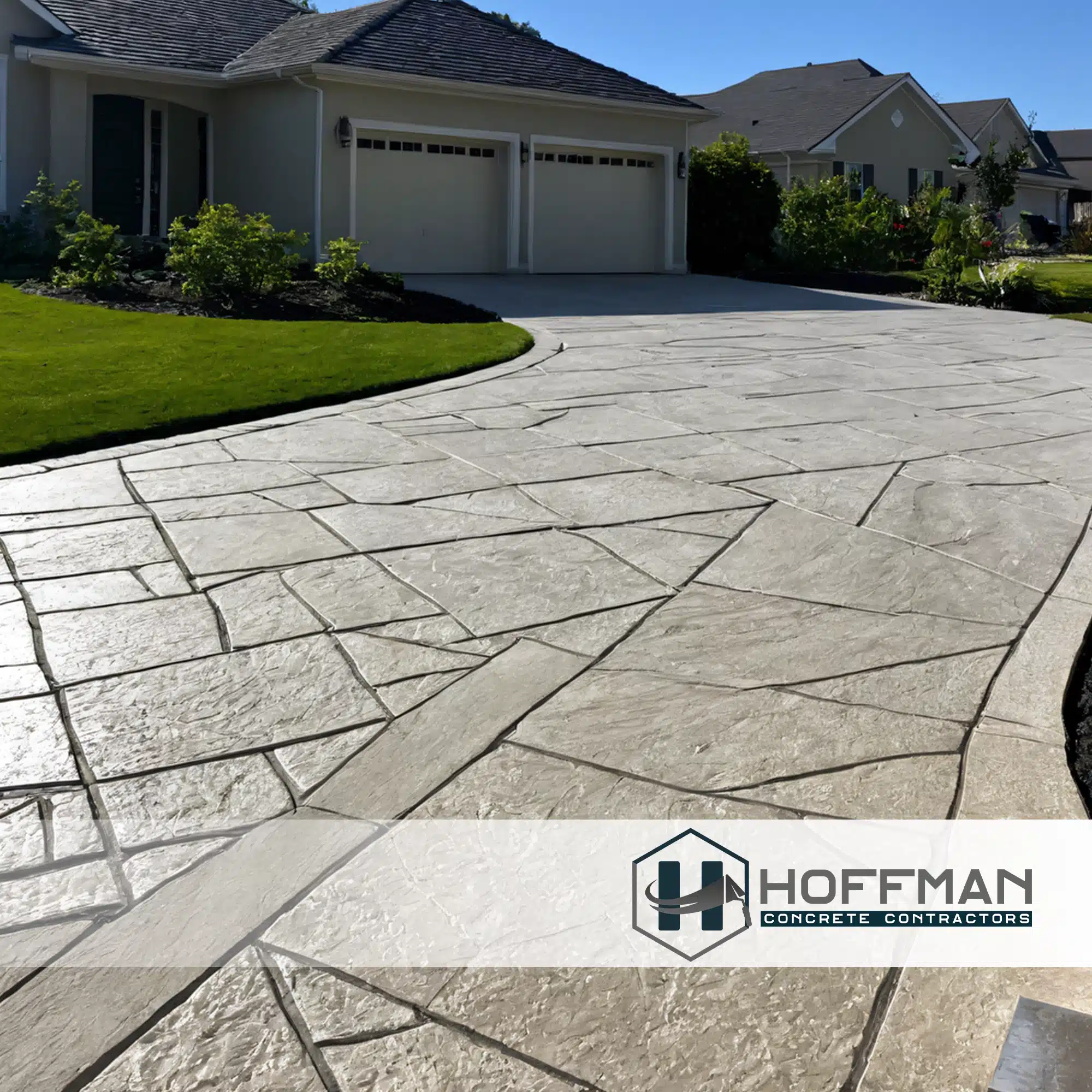
Concrete resurfacing involves applying a new layer of material over existing concrete surfaces to restore their appearance and extend their lifespan. This process typically requires thorough preparation to ensure proper adhesion between the new material and the old surface. Cleaning is essential, as dirt, oil, and debris can prevent the resurfacer from bonding effectively. In some cases, cracks or imperfections in the original concrete may need to be repaired beforehand to create a smooth base for the resurfacer.
Once the surface is prepared, a mixture specifically designed for concrete resurfacing is applied. This mixture usually consists of polymer-modified cement or other additives that enhance durability. The resurfacing product can be poured or spread over the concrete, and then finished to achieve a desired texture or pattern. After application, it's crucial to allow adequate curing time to ensure the new surface develops strength and durability, making it suitable for foot and vehicle traffic.
Before starting the Concrete Resurfacing process, ensure that the surface is clean and free from debris. Begin by using a pressure washer or a stiff broom to remove dirt, oil, and other contaminants. Allow the surface to dry completely. If there are cracks, they should be repaired using a concrete patching compound to provide a smooth base for the new surface layer. This preparation is critical for the longevity and adherence of the resurfacer.
Once the surface is ready, mix the resurfacing compound according to the manufacturer's instructions. Pour the mixture onto the concrete slab and spread it evenly using a trowel or squeegee. Work in small sections to maintain an even application and to prevent the compound from drying too quickly. After applying the resurfacer, finish the surface with a broom or texture tool if desired for added grip. Allow the newly resurfaced concrete to cure for at least 24 to 48 hours before using the area, enabling the compound to strengthen and bond effectively.
The longevity of concrete resurfacing depends on several key factors, including the quality of materials used and the application technique. High-grade resurfacing products designed for durability can significantly enhance the lifespan of the new surface. Proper surface preparation plays a vital role as well. If the old concrete is not adequately cleaned and repairs are not made to cracks or damage, the overlay may not bond correctly, leading to premature flaking or peeling.
Environmental conditions during and after the application also influence how well the resurfaced concrete performs over time. Extreme temperatures, excessive moisture, and direct sunlight can all stress the new surface. Hence, it is crucial to consider these factors when planning a concrete resurfacing project. Proper curing techniques can help mitigate potential issues, allowing the new surface to set and bond effectively. Understanding these influences can help ensure a successful and durable resurfacing result.
The durability of concrete resurfacing largely hinges on the environmental conditions during and after the application. Temperature plays a crucial role; ideally, resurfacing should occur in moderate temperatures. Extreme heat or cold can cause the surface to set too quickly or insufficiently, leading to cracking or peeling. Additionally, humidity levels can affect the curing process, making it essential to monitor weather conditions closely.
Preparation of the existing surface is another key factor influencing durability. Any debris, oil, or moisture left behind can compromise the bond between the new layer and the old concrete. Proper cleaning and repairs to any underlying issues, such as cracks or uneven areas, are vital to ensure a successful resurfacing. Neglecting these conditions may result in premature failure of the new surface, diminishing the benefits of concrete resurfacing.
DIY concrete resurfacing offers a practical solution for homeowners looking to save money and tackle a project on their own schedule. With the right tools and materials, individuals can achieve satisfactory results, especially on smaller areas. It's crucial to thoroughly prepare the surface, as any debris or irregularities can affect the final outcome. Many DIY enthusiasts find satisfaction in learning new skills and witnessing the transformation of their space.
On the other hand, professional resurfacing brings a level of expertise that can often surpass DIY efforts. Experienced contractors understand the nuances of concrete resurfacing, including the importance of using the right mix and proper application techniques. They also have access to specialized equipment that can provide a more even finish. While the initial cost may be higher, the long-term durability and aesthetic appeal achieved by professionals can make it a worthwhile investment for larger or more complex projects.
Choosing between DIY and professional concrete resurfacing involves weighing the benefits and drawbacks of each option. A DIY approach can be appealing for those looking to save money and enjoy the satisfaction of a hands-on project. Homeowners often find it easier to manage smaller areas themselves, especially if they have some prior experience with similar tasks. However, the learning curve can be steep, and mistakes can lead to unsatisfactory results, potentially requiring further repairs.
On the other hand, opting for professional concrete resurfacing typically ensures a higher level of quality and durability. Professionals have access to advanced tools and knowledge of the best materials suited for specific conditions. This expertise can result in a finished product that lasts significantly longer than a DIY job. Yet, the cost associated with hiring a contractor can be a considerable factor for budget-conscious homeowners. Balancing the initial expenditure against the potential for long-term benefits is crucial in making the right decision.
While most types of concrete can be resurfaced, it's essential to assess the condition of the surface. If the concrete has significant structural damage, such as large cracks or crumbling, it may require more than just resurfacing.
The resurfacing process typically takes one to two days, depending on the size of the area and the specific conditions. However, the concrete may require additional time to cure before it can be used.
Common materials for resurfacing concrete include polymer-modified overlays, cement-based resurfacing compounds, and epoxy coatings. The choice of material often depends on the desired finish and durability.
Resurfacing concrete can be a DIY project for those with the right skills and tools, but it can also be challenging. If you're unsure or if the area is extensive, hiring a professional may be a better option.
To ensure the longevity of resurfaced concrete, it's essential to properly prepare the surface, choose high-quality materials, and follow the manufacturer's instructions for application and curing. Additionally, regular maintenance, such as sealing, can help extend its life.
612 Painter St, Media, PA 19063
https://hoffmanconcretecontractors.com/
+16106386380
WJ82+88 Media, Pennsylvania
Open 24 hours
461 Rugby Rd, Birdsboro, PA 19508
https://hoffmanconcretecontractors.com/reading-pa/
+14849981139
Open 24 hours

Copyright © Hoffman Concrete Contractors - Media. All Rights Reserved