Concrete slab installation begins with careful preparation of the site. Requirements such as excavation and leveling ensure a solid foundation. Once the area is ready, formwork is set up to contain the concrete mix. This formwork typically consists of wood or metal frames that outline the dimensions of the slab. Properly securing the forms is crucial to prevent any shifting during the pouring process.
The next step involves mixing and pouring the concrete. A ready-mix truck often delivers the concrete to the site, providing a consistent blend for optimal strength and durability. Workers handle the pouring process carefully, aiming for even distribution throughout the forms. It is important to pour the concrete in a continuous flow to minimize the risk of cold joints, which can weaken the finished slab.
To achieve an even distribution during concrete slab installation, several techniques are beneficial. The use of screed boards allows for controlled leveling of the poured concrete. By placing a long, straight edge across the wet concrete, workers can efficiently smooth the surface and eliminate any high or low spots. This method ensures that the concrete is distributed evenly across the entire area, providing a stable foundation.
Additionally, vibrating tools can enhance the distribution process. These tools help to remove air pockets and ensure that the concrete settles into its desired position. Through careful vibration, the concrete flows into corners and crevices more effectively, further contributing to a uniform slab. Implementing these techniques is crucial for the success of any concrete slab installation.
Finishing the surface of a concrete slab is a crucial step in the overall concrete slab installation process. It involves creating a smooth, level surface that not only enhances the aesthetic appeal but also ensures durability. Various techniques can be employed during this phase. For instance, using a trowel helps achieve a polished finish. Additionally, floating the surface during the initial setting phase assists in leveling out any imperfections, ensuring a robust foundation for future use.
Different methods for achieving a smooth finish depend on the desired outcome and specific project requirements. If a textured surface is preferred, broom finishing can provide added grip. In contrast, if a high-gloss finish is the goal, a power trowel may be utilized to compress the surface further. Each technique has its unique advantages, and the choice often hinges on the functional needs of the installation site. Proper finishing plays a vital role in the long-term performance of the slab.
Achieving a smooth finish on a concrete slab is essential for both aesthetics and functionality. One common method for a refined surface is using a float to help level the concrete. This tool smooths out imperfections and fills in any voids created during the pouring process. Additionally, power trowels provide an efficient way to create an even finish over larger areas. These machines not only save time but also ensure a consistent surface texture across the entire slab.
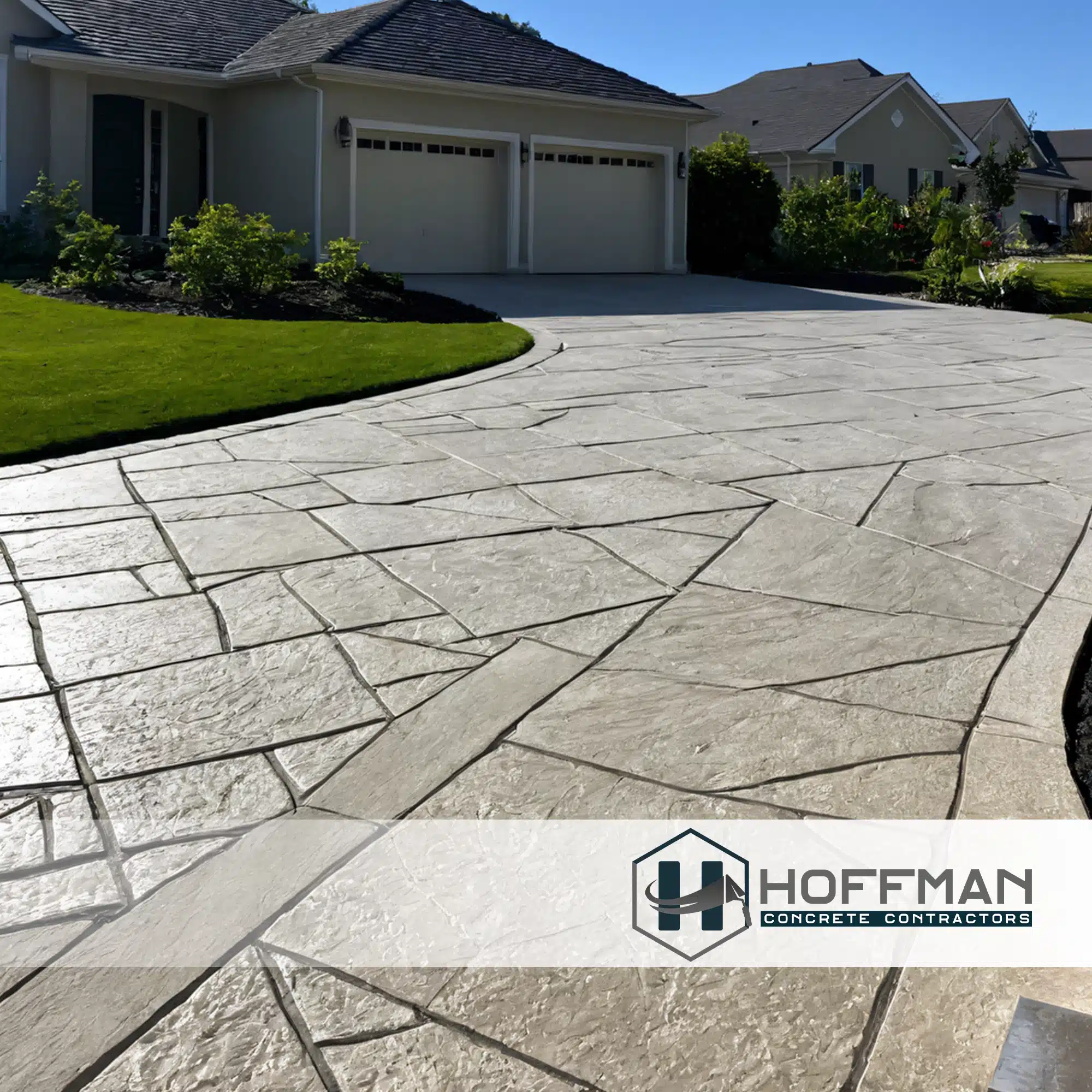
Another approach involves using a finishing broom for a different texture and grip. This tool can be drawn across the surface while the concrete is still wet, creating a lightly grooved finish that enhances traction. For projects where appearance is a priority, techniques like stamping can add decorative elements to the slab. The choice of method depends on the intended use of the concrete slab, making it crucial to consider surface requirements during the Concrete Slab Installation process.
Curing concrete is a crucial step in the process of concrete slab installation. Proper curing allows the hydration process to continue long after the initial setup. This is essential for building strength and durability. Without adequate curing, the concrete can become weak and may develop cracks. Protecting the slab from extreme temperatures, high winds, and direct sunlight during the curing period helps maintain the necessary moisture levels.
There are several methods to ensure effective curing of a concrete slab. Common techniques include using curing compounds that form a moisture-retaining film on the surface and applying wet burlap or mats that retain moisture. Water should be sprayed or applied regularly to prevent the surface from drying out too quickly. Maintaining consistent moisture levels during the essential curing period can significantly enhance the overall quality of the concrete.
Proper curing is vital for achieving optimal strength during concrete slab installation. After pouring, the concrete needs to be kept moist for an extended period. This process allows the hydration of the cement particles, which is essential for developing the desired strength. Techniques such as covering the surface with wet burlap or using curing compounds can help retain moisture, ensuring that the slab remains hydrated even in dry or windy conditions.
Temperature also plays a crucial role in the curing process. Ideal curing occurs at moderate temperatures, typically between 50°F and 85°F. When temperatures drop significantly or rise excessively, it can hinder the hydration process. Using insulation blankets or other protective measures can aid in maintaining suitable conditions around the slab. Consistent moisture, combined with appropriate temperature control, forms the backbone of strong and durable concrete slab installation.
The first step in installing a concrete slab is preparing the site by clearing the area, leveling the ground, and creating forms to hold the concrete.
To ensure even distribution during pouring, you can use techniques such as using a concrete vibrator, screeding the surface, and carefully managing the flow of concrete from the truck or mixer.
Common methods for finishing include troweling, using a broom for a textured finish, or applying a sealant for added protection and sheen.
Curing is important because it helps the concrete achieve optimal strength and durability by maintaining adequate moisture and temperature during the curing process.
Concrete usually takes about 28 days to cure properly, but initial setting can occur within a few hours, allowing for light foot traffic after a day or two.
612 Painter St, Media, PA 19063
https://hoffmanconcretecontractors.com/
+16106386380
WJ82+88 Media, Pennsylvania
Open 24 hours
461 Rugby Rd, Birdsboro, PA 19508
https://hoffmanconcretecontractors.com/reading-pa/
+14849981139
Open 24 hours

Copyright © Hoffman Concrete Contractors - Media. All Rights Reserved