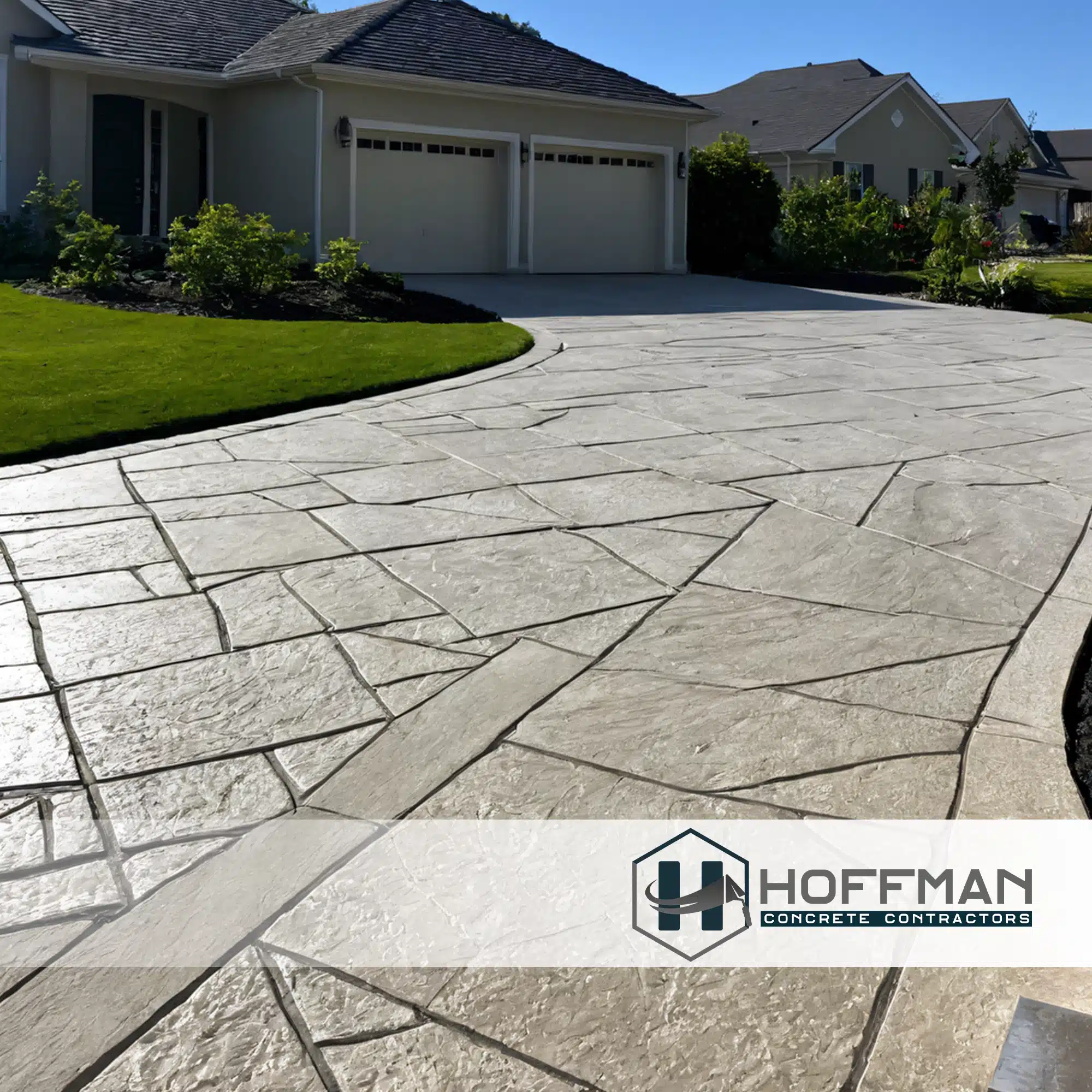
Concrete finishing requires specific tools to achieve a smooth and durable surface. Basic equipment includes trowels, hand floats, and long-handled floats. Trowels are essential for smoothing out the surface and can vary in size and shape, allowing for versatility in the finishing process. Hand floats help eliminate imperfections, while long-handled floats are useful for larger areas, providing a consistent finish over wider sections of concrete.
In addition to these basic tools, more advanced equipment may be used for larger projects. Power trowels, for example, offer efficiency and can significantly speed up the finishing process, especially in expansive areas. Edgers and groovers are also important for creating clean joints and edges. The selection of appropriate equipment is crucial for effective concrete finishing, as the right tools can make a noticeable difference in both appearance and durability.
Selecting the appropriate tools is crucial for effective concrete finishing. Traditional hand tools, such as floats and trowels, allow for precision and control during the finishing process. Power trowels can significantly speed up the job for larger areas, providing a smooth surface with less physical effort. Each tool has its unique purpose, and understanding these distinctions helps ensure a high-quality finish.
While choosing tools, consider the specifics of your project. The type of concrete, the area to be finished, and the desired texture all influence which tools will be most effective. For instance, a broom may be suitable for creating a textured finish, while a magnesium float is ideal for achieving a smooth surface. Having the right tools on hand can make a considerable difference in the final appearance of your concrete finishing project.
One of the most prevalent mistakes in concrete finishing is starting the process too early. When the concrete is still too wet, attempts to finish it can lead to surface defects like tearing or excessive smearing. This can compromise the strength and overall appearance of the finished product. Waiting for the right moment, when the surface water has evaporated and the mix has reached the appropriate firmness, is crucial for achieving optimal results in concrete finishing.
Another common error involves overworking the surface. Continuous troweling or excessive smoothing can lead to a weak, brittle surface. This overworking can also bring fine particles to the top, resulting in a dusting effect. A careful approach is essential; applying just enough pressure to shape and smooth the surface without disturbing the overall composition will contribute significantly to the durability and aesthetics of the concrete finishing process.
One common pitfall in concrete finishing is improper timing. Finishing too early can lead to surface defects, including pitting and cracking. Likewise, finishing too late may result in a rough, uneven surface that is difficult to repair. To achieve the best results, it is crucial to monitor the concrete's setting time closely. This can vary based on factors such as mix composition and ambient conditions.
Another frequent mistake involves inadequate preparation of the surface prior to finishing. Failing to remove excess water or debris can hinder the adhesion of sealants or coatings. This can compromise the durability and appearance of the finished product. Proper surface preparation is essential for ensuring that concrete finishing meets both functional and aesthetic expectations.
Temperature plays a critical role in the concrete finishing process. When temperatures are too high, the concrete can dry out too rapidly, leading to surface cracks and an uneven finish. Conversely, extremely low temperatures can delay the curing process, making it harder to achieve the desired smoothness and overall strength in the final product. Careful monitoring of ambient conditions is essential to avoid these issues, ensuring a successful concrete finishing operation.
In addition to ambient temperature, the temperature of the concrete mix itself can influence the finishing results. Warmer mixes tend to set faster, which can be beneficial for quick projects but may not allow sufficient time for proper finishing techniques. In colder conditions, it is important to take steps to maintain the warmth of the concrete, such as using insulated blankets or heated enclosures. This attention to temperature will help achieve an optimal surface finish and enhance the durability of the finished concrete.
Weather conditions significantly impact the curing process of concrete. High temperatures can accelerate evaporation, leading to surface cracking and improper hydration. Conversely, cold weather can slow down the curing process, which may prevent the concrete from reaching its optimal strength. These factors are crucial for the concrete finishing phase since the timing and method of finishing can vary based on the environmental conditions.
Moisture levels also play a critical role during curing. If the air is too dry, it can deplete moisture from the concrete's surface, hindering the curing process. On the flip side, excessive rain can disrupt finishing efforts, potentially leading to surface defects. Understanding these weather-related variables is essential for successful concrete finishing, ensuring that the final appearance and durability meet expectations.
Concrete typically sets within 1 to 3 hours after pouring, but finishing can start once the surface is firm enough to walk on without leaving footprints, usually around 4 to 6 hours after pouring.
Essential tools for finishing concrete include a trowel, float, edger, and a broom. Depending on the finish desired, you may also need a power trowel or concrete screed.
Common mistakes include working the surface too early, improper use of finishing tools, and neglecting to account for temperature variations, which can all negatively impact the final outcome.
Temperature plays a significant role in the curing process; high temperatures can cause the concrete to set too quickly, while low temperatures can slow down setting and curing times, affecting the finishing schedule.
It is not advisable to finish concrete if it rains shortly after pouring, as excess water can weaken the concrete and lead to surface defects. It's important to wait for the rain to stop and the surface to dry before proceeding with the finishing process.
612 Painter St, Media, PA 19063
https://hoffmanconcretecontractors.com/
+16106386380
WJ82+88 Media, Pennsylvania
Open 24 hours
461 Rugby Rd, Birdsboro, PA 19508
https://hoffmanconcretecontractors.com/reading-pa/
+14849981139
Open 24 hours

Copyright © Hoffman Concrete Contractors - Media. All Rights Reserved