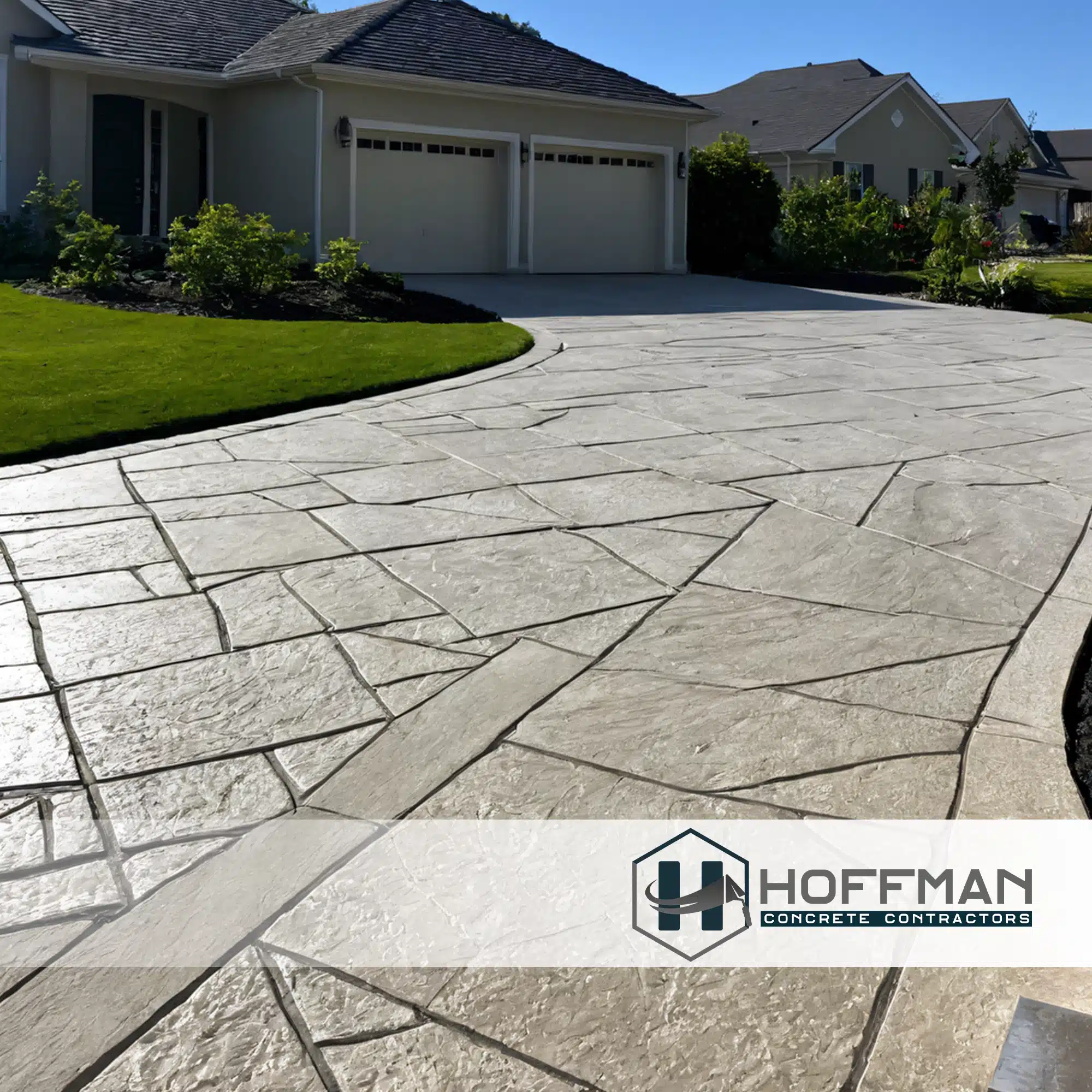
Selecting the right contractor for stamped concrete installation is a crucial step that can influence the overall quality and longevity of the project. Start by researching potential candidates in your area. Look for established contractors who specialize in stamped concrete and have a robust portfolio showcasing their previous work. Customer reviews and testimonials provide insights into the contractor’s reliability, craftsmanship, and professionalism. Engaging with former clients directly can also offer valuable perspectives on the contractor's work ethic and adherence to timelines.
It's essential to evaluate the contractor's experience and familiarity with different stamping techniques. This expertise directly impacts the final appearance and durability of the stamped concrete installation. Ask potential contractors about their process, the materials they use, and any warranties they offer. Gathering multiple quotes allows for a better understanding of the market rates and can help identify contractors who provide good value without compromising quality. Prioritize those who demonstrate transparency and communicate clearly throughout the assessment process.
When selecting a contractor for stamped concrete installation, experience and reputation play crucial roles in ensuring a successful project. A contractor with a solid background demonstrates proficiency through previous work and customer satisfaction. This expertise can lead to a more polished finish and longer-lasting results, which is particularly important for outdoor surfaces exposed to varying weather conditions.
Reputation can significantly impact the quality of the service provided. Contractors with positive reviews and testimonials are more likely to adhere to industry standards and best practices. Engaging a reputable contractor not only assures quality workmanship but also fosters transparent communication throughout the project, minimizing potential misunderstandings and ensuring that the final outcome aligns with the client's vision.
Stamping concrete can be a satisfying project for those with the right skills and tools. DIY enthusiasts often find it appealing to undertake stamped concrete installation, wanting to save on labor costs. With careful planning, proper materials, and a good understanding of the stamping process, individuals can achieve impressive results. However, this endeavor requires a significant time commitment and an eye for detail to avoid common pitfalls. Mistakes in mixing, stamping, or curing can lead to unsatisfactory outcomes that may necessitate costly repairs.
On the other hand, hiring professionals for stamped concrete installation brings a level of expertise that can significantly enhance the final product. Experienced contractors have access to high-quality materials and advanced tools designed for effective stamping. Their familiarity with various techniques ensures more intricate designs are executed flawlessly. Additionally, they can navigate the complexities of project timelines and local regulations, which might be challenging for someone attempting a DIY approach. This professional touch often results in a long-lasting and aesthetically pleasing surface that can be difficult to replicate independently.
When considering the cost effectiveness of DIY stamped concrete installation versus hiring a professional, various factors come into play. DIY projects often seem appealing due to the potential for saving labor costs. Homeowners can purchase stamping tools and materials, but they should also factor in the time investment and the learning curve associated with mastering the stamping technique. Mistakes can lead to additional expenses, such as repairing any errors or redoing sections that do not meet expectations.
On the other hand, hiring a professional for stamped concrete installation may carry a higher upfront cost but often results in a more polished and durable finish. Professionals bring experience and expertise, which can minimize the risk of costly mistakes. Additionally, they may have access to better materials and techniques that enhance the final product’s longevity. Considering both options requires evaluating not only the immediate expenses but also the long-term benefits of each approach.
Seasonal pricing trends can significantly impact the cost of stamped concrete installation. Contractors often adjust their rates based on demand, which typically fluctuates with the seasons. Spring and early summer mark the peak time for outdoor projects, leading to higher prices as more homeowners seek to enhance their spaces. Conversely, late fall and winter may present lower costs, as demand slows and contractors may offer discounts to maintain steady work during milder weather months.
Weather also plays a crucial role in determining the timing and pricing of stamped concrete installation. During hot summer months, challenges such as curing times and surface preparation can drive up costs due to the need for additional labor and material considerations. In contrast, cooler temperatures may allow for quicker installations, but the risk of rain or freezing conditions can further complicate scheduling and pricing. Homeowners should take these factors into account when planning their projects to optimize both timing and budget.
Weather conditions play a significant role in the costs associated with stamped concrete installation. During warmer months, demand for these services often increases, leading to higher labor costs and material pricing. In contrast, cooler months may see reduced demand, which can translate to lower prices. However, contractors might face challenges when attempting to install concrete in freezing temperatures, potentially requiring additional techniques and materials to ensure proper curing.
Precipitation is another factor that impacts the cost of stamped concrete installation. Rain can delay projects and, in some cases, may lead to job cancellations. When scheduling is disrupted, contractors may charge more to accommodate the change, affecting the overall project cost. Additionally, wet conditions can necessitate extra protective measures to safeguard the newly poured stamped concrete, further increasing expenses.
The cost of stamping existing concrete can be influenced by several factors, including the size of the area to be stamped, the complexity of the design, the type of concrete used, and the contractor's experience and reputation.
While DIY stamping may seem cost-effective initially, hiring a professional can save time and ensure better results. Professionals have the necessary tools and experience, which can lead to fewer mistakes and a more durable finish.
Seasonal pricing trends can affect the cost of stamping concrete, with prices potentially rising during peak construction seasons when demand is higher. Weather conditions can also impact scheduling and labor costs.
The average cost for stamping existing concrete typically ranges from $8 to $15 per square foot, depending on various factors such as design complexity and contractor rates.
Yes, additional costs may arise from necessary preparation work, such as cleaning, repairing cracks, or leveling the concrete surface before stamping, which can increase the overall project cost.
612 Painter St, Media, PA 19063
https://hoffmanconcretecontractors.com/
+16106386380
WJ82+88 Media, Pennsylvania
Open 24 hours
461 Rugby Rd, Birdsboro, PA 19508
https://hoffmanconcretecontractors.com/reading-pa/
+14849981139
Open 24 hours

Copyright © Hoffman Concrete Contractors - Media. All Rights Reserved