Choosing between DIY and professional installation for concrete curbing can significantly impact overall costs and quality. DIY enthusiasts may find satisfaction in taking on the challenge themselves, potentially saving on labor expenses. However, one must consider the expense of materials, tools, and the time commitment required to complete the project. Proper knowledge of techniques such as edge design and proper mixing is essential for a successful outcome. Missteps could lead to increased costs later on due to repairs or replacements.
On the other hand, hiring a professional for concrete curbing offers expertise and efficiency. Experienced contractors can ensure that the installation is done correctly from the start, which may save money and hassle in the long run. Professionals can also provide valuable insights on design options and material choices. Although the initial expense for professional services may be higher, the peace of mind and quality assurance can justify the investment for many homeowners.
When evaluating the cost of concrete curbing, it’s important to consider both DIY and professional installation. While DIY installation may initially seem more economical, one must factor in costs related to tools, materials, and potential mistakes that could lead to additional expenses. On the other hand, hiring a professional may come with a higher upfront cost, but it often ensures quality and durability, which can save money in the long run.
The pricing for concrete curbing can vary based on various factors, such as location and complexity of the design. Standard options are generally more affordable, while custom designs and intricate patterns can significantly increase the overall costs. Additionally, the choice of finishing touches, such as colors and textures, will also impact pricing. Thoroughly comparing these choices can lead to more informed decisions and better budgeting for the project.
Concrete curbing generally requires minimal maintenance, making it an attractive option for homeowners. Regular inspections can help identify any potential cracks or shifts early, which can prevent more significant issues down the line. Sealing the concrete can also protect it from weather-related damage, which may be necessary every few years depending on the local climate.
Cleaning is another aspect of maintenance. Routine washing can help maintain the curb's appearance and prevent the buildup of dirt and debris. For those considering aesthetic enhancements, additional care may be necessary for painted or stamped concrete curbing. Overall, while initial costs can be a consideration, the long-term maintenance expenses for concrete curbing tend to be relatively low.
When considering long-term expenses related to concrete curbing, it’s essential to factor in potential repairs and replacements. Over time, even the most durable materials can show signs of wear due to weather conditions, heavy traffic, or settling soil. Maintaining the integrity of concrete curbing may require occasional patching or resurfacing to prevent further damage, which can add to project costs down the line.
Another aspect to keep in mind is the upkeep associated with concrete curbing. While concrete is low maintenance compared to other materials, it can still benefit from regular cleaning and sealing. These preventive measures help prolong its lifespan and aesthetic appeal. Homeowners should budget for these maintenance tasks, as neglecting them may result in more substantial expenses in the future.
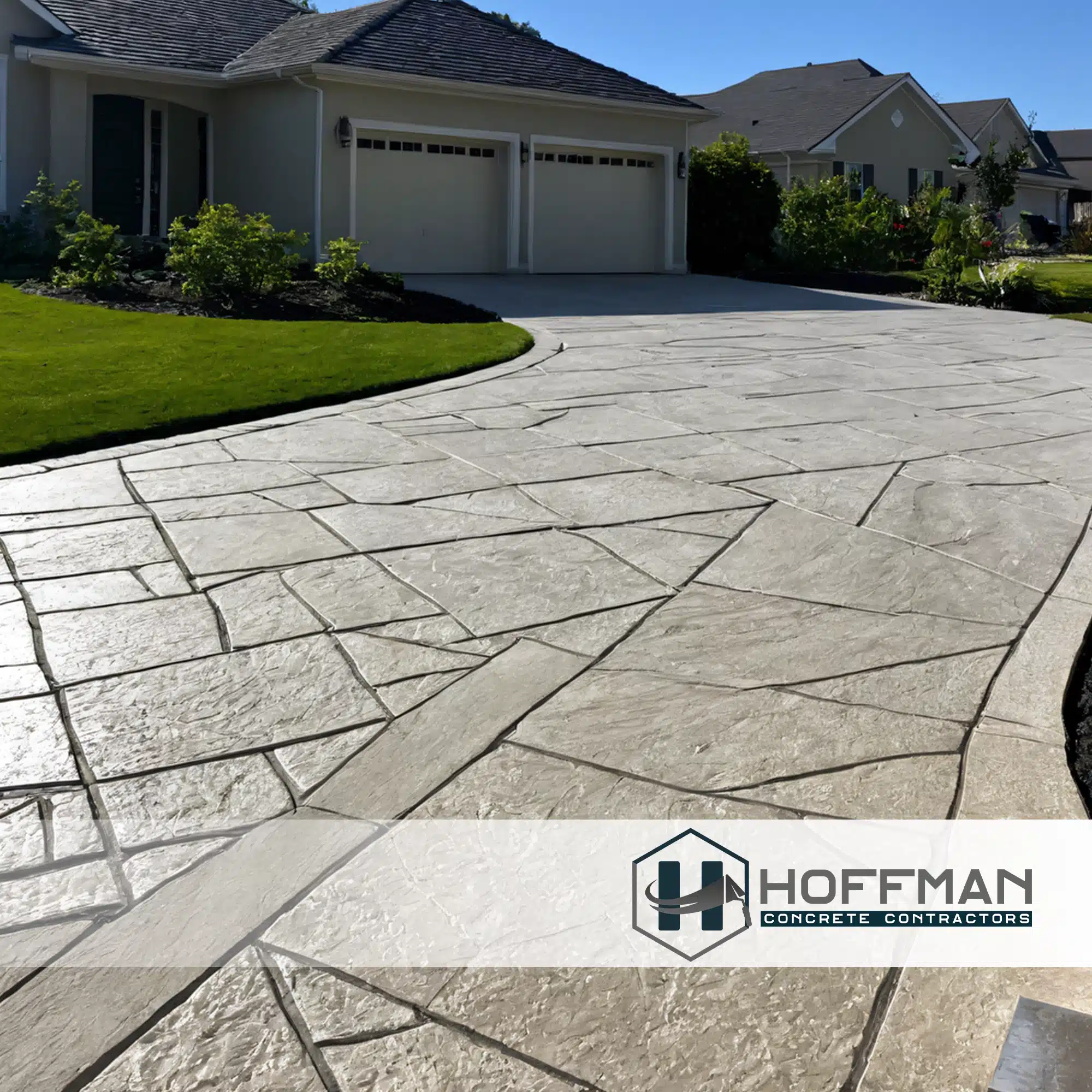
When considering the installation of concrete curbing, homeowners often explore options that enhance the aesthetic and functional value of the landscape. Features such as stamped patterns, color stains, and intricate designs can significantly elevate the overall look of the curbing. These additional design elements come with varying costs depending on the complexity and materials used, often adding between $1 to $5 per square foot to the initial installation price. Customization can create a unique appearance, making the space more visually appealing.
Moreover, the choice of additional features can also impact long-term maintenance costs. More intricate designs may require specialized cleaning methods or repairs, which could incur further expenses over time. On the other hand, opting for simpler styles might reduce future upkeep. Ultimately, investing in quality concrete curbing with desirable features can enhance both the beauty and durability of the landscaping, though it's important to consider the balance between initial investment and ongoing maintenance.
When considering custom designs for your concrete curbing, it's essential to understand how various elements can influence the overall cost. Custom shapes and patterns will likely increase the price per square foot due to the additional labor and specialized techniques involved. Homeowners may opt for integrated features such as drainage systems or lighting elements that enhance functionality while adding a unique touch. Each of these options can lead to a higher investment but also offer distinct advantages in terms of aesthetics and utility.
In addition to the basic installation, finishing touches can significantly affect the appearance of concrete curbing. Options like stamped patterns, stained surfaces, or decorative edges can elevate the curb’s visual appeal and allow it to complement the surrounding landscape and architectural style. These enhancements not only provide a refined look but may also impact long-term maintenance needs. Investing in high-quality finishes can result in less frequent repairs, ultimately proving cost-effective over time.
The average cost of a concrete curb typically ranges from $5 to $15 per square foot, depending on factors such as location, design complexity, and installation method.
Yes, additional costs may include labor fees, permits, and any necessary site preparation. Custom designs and finishing touches can also increase the overall price.
While DIY installation can save on labor costs, it requires a certain level of skill and knowledge. If not done correctly, it can lead to additional expenses for repairs or reinstallation.
Concrete curbs generally require minimal maintenance. However, it’s advisable to check for cracks or damage periodically and address any issues promptly to prolong their lifespan.
Factors influencing the cost include the size and design of the curb, the type of concrete used, location and accessibility of the site, and whether you choose professional installation or a DIY approach.
612 Painter St, Media, PA 19063
https://hoffmanconcretecontractors.com/
+16106386380
WJ82+88 Media, Pennsylvania
Open 24 hours
461 Rugby Rd, Birdsboro, PA 19508
https://hoffmanconcretecontractors.com/reading-pa/
+14849981139
Open 24 hours

Copyright © Hoffman Concrete Contractors - Media. All Rights Reserved