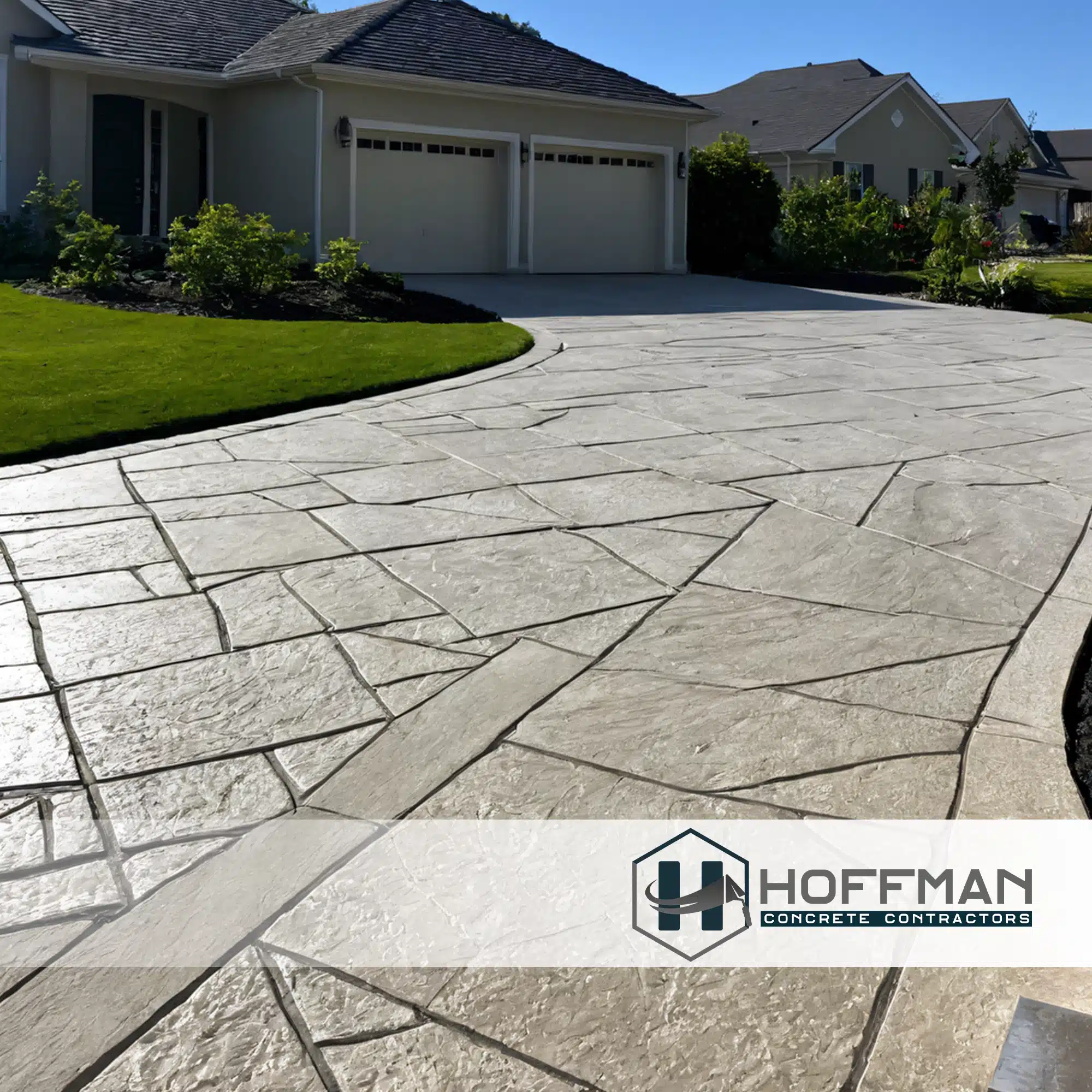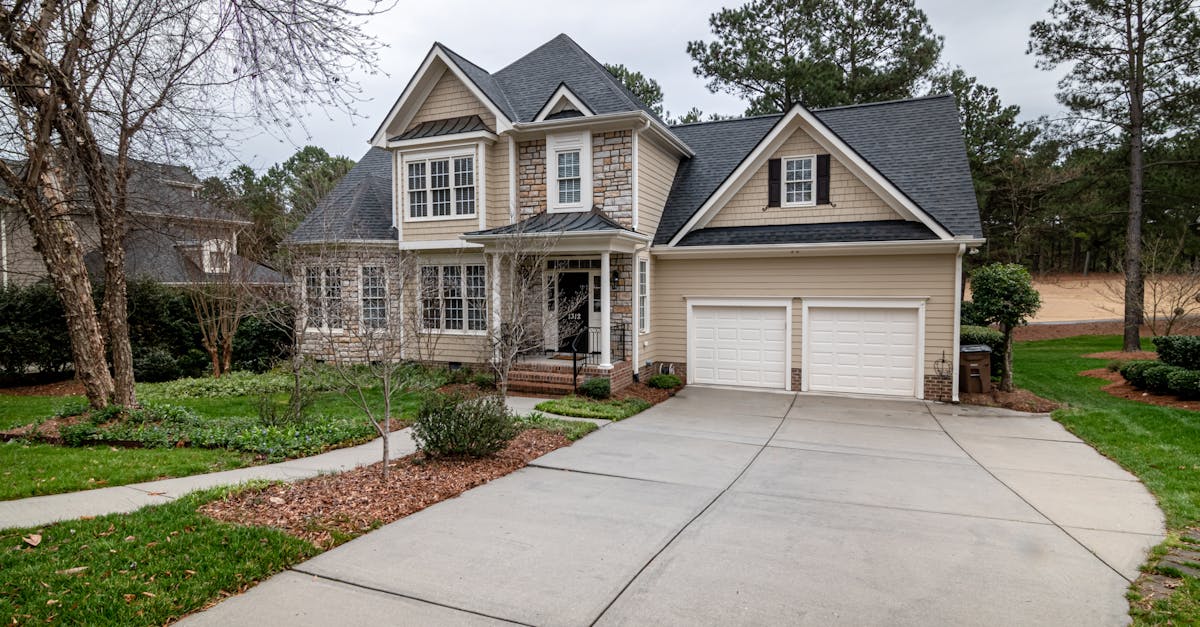
Concrete curbing offers remarkable versatility in design, making it an ideal choice for a variety of landscaping projects. Homeowners can select from various shapes, sizes, and colors to suit their specific aesthetic preferences. This adaptability allows for seamless integration into natural surroundings or bold statement pieces that enhance outdoor spaces. Many designs can mimic the appearance of more traditional materials while providing additional durability and longevity.
The ability to create unique patterns and borders further distinguishes concrete curbing from other landscaping options. Whether creating a defined pathway or outlining garden beds, the flexibility of concrete allows for creative expression. Landscapers can craft intricate designs or stick to simple lines, accommodating different tastes and functions. This level of customization ensures that each project can be tailored to meet individual needs, resulting in visually appealing and functional outdoor areas.
Concrete curbing offers a wide array of customization options, making it suitable for any type of landscape. Homeowners can choose from various colors, textures, and shapes, allowing for a tailored look that complements existing garden features. Whether the goal is to achieve a modern aesthetic or a more traditional appearance, concrete curbing can easily adapt to different design preferences.
In addition to aesthetic versatility, concrete curbing can be formed into unique patterns or integrated with other landscaping elements. This adaptability allows for creativity, making it possible to define garden beds, walkways, or driveways in a way that enhances the overall visual appeal. From simple straight lines to intricate curves, the options are nearly limitless, providing a personalized touch that reflects individual styles.
Concrete Curbing presents both advantages and challenges regarding environmental impact. The production of concrete necessitates significant energy consumption, which contributes to greenhouse gas emissions. However, once installed, concrete curbing is long-lasting and requires minimal maintenance, reducing the need for frequent replacements that could lead to more waste. Its durability also means fewer resources for upkeep over time, making it a appealing option for environmentally conscious homeowners.
When considering the sustainability of materials, concrete itself can be made with recycled content, helping to mitigate some of its initial environmental footprint. Moreover, concrete curbing can enhance water conservation efforts in landscaping. By creating defined borders, it aids in directing water flow and reducing runoff, leading to improved irrigation efficiency. This feature makes concrete curbing a viable consideration for those seeking eco-friendly solutions for their outdoor spaces.
Concrete is often viewed as a durable and long-lasting material, making it a popular choice for landscape curbing. Its longevity means less frequent replacement compared to other edging solutions, which can generate waste over time. Additionally, concrete can be produced using various recycled materials, reducing the demand for virgin resources and minimizing environmental impact during its production.
The energy-intensive nature of concrete production raises questions about its overall sustainability. However, advancements in manufacturing techniques and the use of alternative fuels have improved the carbon footprint associated with Concrete Curbing. This evolving industry focus on efficiency and sustainability can further enhance the environmental credentials of concrete as a landscape choice, making it a viable option for eco-conscious consumers.
Concrete Curbing stands out in the landscaping market due to its durability and versatility. Unlike natural edging solutions such as wood or stone, concrete provides a consistent finish that can withstand harsh weather conditions. It resists rot, decay, and insect damage, which often plague traditional landscape borders. For homeowners seeking a long-lasting option with minimal maintenance requirements, concrete curbing offers an appealing alternative.
When comparing concrete curbing to other methods like plastic or metal edging, it becomes evident that concrete provides superior aesthetic appeal. While plastic may fade and warp over time, and metal can rust, concrete maintains its visual integrity. The ability to mold and create intricate designs lets homeowners tailor their landscape’s look to match personal tastes. Concrete Curbing not only enhances the overall appearance but also adds a sense of permanence in the landscape design.
Concrete curbing offers durability and a polished appearance that many homeowners appreciate. Unlike natural edging solutions, which can be susceptible to decay and wear over time, concrete curbing holds its shape and retains its color for years. This means less maintenance for property owners. The rigid structure of concrete also helps define landscaping elements clearly, creating a crisp boundary that enhances the overall aesthetic of the outdoor space.
On the other hand, natural edging solutions like wood or stone provide a more organic look. These materials can blend seamlessly with gardens and flower beds, giving a more rustic and rustic feel. However, they often require periodic replacement or repairs due to weathering and natural decay. While concrete curbing may not offer the same natural charm, its consistency and longevity make it an appealing choice for those seeking a low-maintenance landscaping option.
The main advantages of concrete landscape curbing include its durability, low maintenance requirements, design flexibility, and the ability to customize it to match any landscaping style.
Concrete landscape curbing offers a more permanent and sturdy option compared to natural edging solutions. While natural materials may require more upkeep and can deteriorate over time, concrete curbing provides a long-lasting barrier that effectively defines garden beds and prevents soil erosion.
Yes, concrete can be an environmentally friendly choice as it is made from natural materials and can often be recycled. Additionally, modern concrete production techniques focus on reducing carbon emissions, making it a more sustainable option in landscaping.
Absolutely! Concrete landscape curbing can be customized in various shapes, sizes, colors, and textures to match your specific landscaping needs and personal style, allowing for unique design options.
Concrete landscape curbing is known for its longevity, typically lasting anywhere from 20 to 30 years or more, depending on the quality of installation and maintenance, making it a worthwhile investment for your landscape.
612 Painter St, Media, PA 19063
https://hoffmanconcretecontractors.com/
+16106386380
WJ82+88 Media, Pennsylvania
Open 24 hours
461 Rugby Rd, Birdsboro, PA 19508
https://hoffmanconcretecontractors.com/reading-pa/
+14849981139
Open 24 hours

Copyright © Hoffman Concrete Contractors - Media. All Rights Reserved