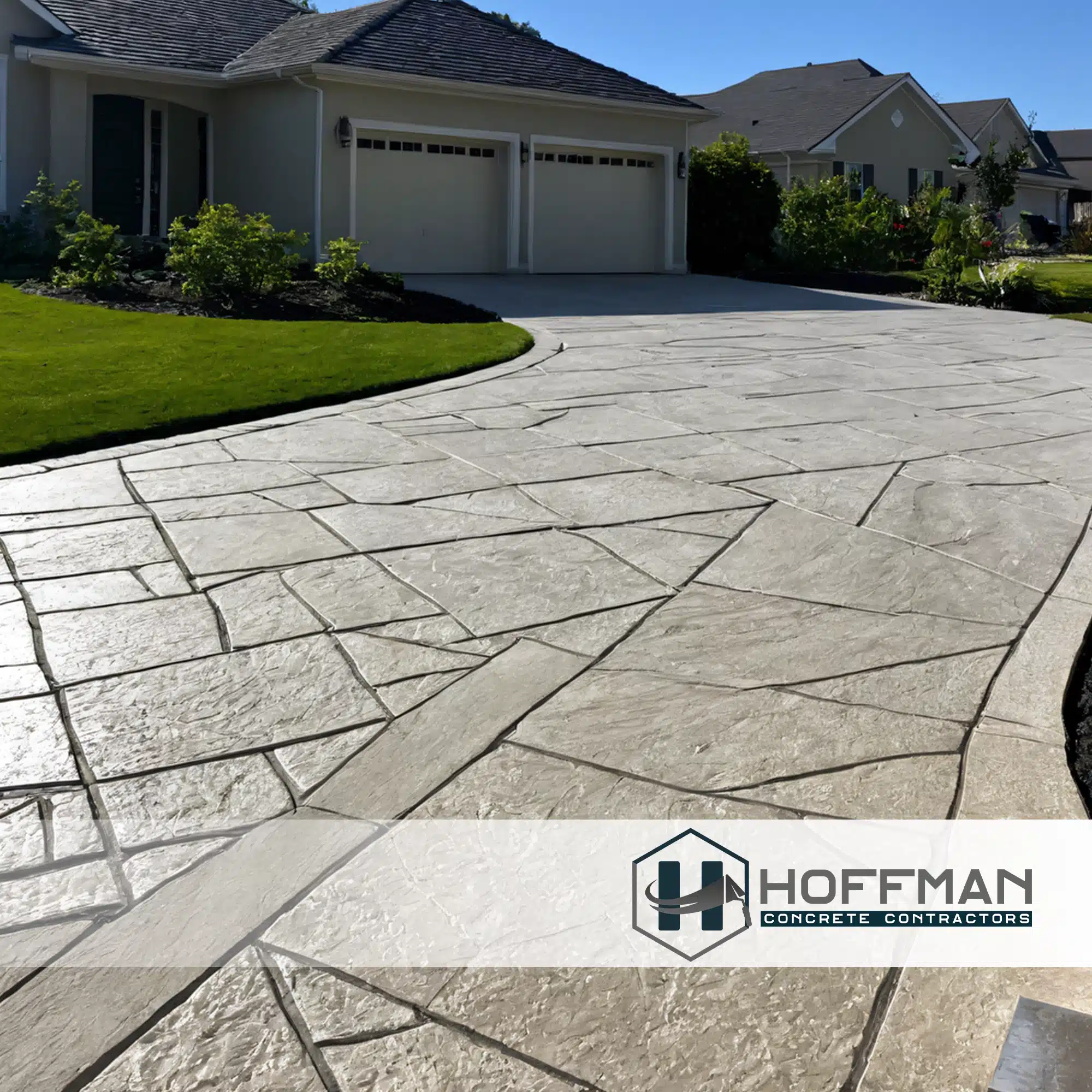
Selecting appropriate materials is essential when considering concrete resurfacing. Various types of resurfacer products are designed to suit different applications and conditions. It’s crucial to assess the specific needs of the project, including the existing concrete's condition and the environmental factors at play. Some products may provide better durability in extreme weather, while others may be more suitable for high-traffic areas.
Moreover, understanding the composition of resurfacing materials can aid in making informed choices. Polymer-modified overlays, for instance, offer enhanced adhesion and flexibility, while self-leveling compounds may be suitable for providing a smooth finish. Always consider factors like the desired lifespan of the resurfaced area and whether additional treatments, such as sealants, may be necessary for optimal performance. Properly selecting materials can significantly affect the success of concrete resurfacing and its longevity.
Various types of resurfacer products are available for concrete resurfacing projects. These products can include polymer-modified overlays, which provide improved adhesion and flexibility. Additionally, thin toppings are also popular, as they can effectively restore the surface while maintaining a smooth finish. Each option comes with its unique features and benefits, catering to different aesthetic preferences and functional requirements.
Epoxy-based resurfacers are especially durable and ideal for high-traffic areas, offering excellent resistance to chemicals and stains. Other options, like acrylic-based products, are often used for decorative finishes and can impart color and texture to the surface. Selecting the right resurfacer depends largely on the specific needs of the project and the desired outcome for the concrete resurfacing task.
Before starting the concrete resurfacing installation process, it is essential to prepare the surface properly. Cleaning the concrete thoroughly is the first step, removing all dirt, grime, and any previous sealants. Repairing any cracks or damaged areas can help ensure a smooth application. This preparation may involve grinding down high spots or filling deep cracks with appropriate fillers. Once the surface is prepared, it is important to let it dry completely before applying the resurfacer.
During the actual application of the concrete resurfacing product, consistency in mixing is crucial. Following the manufacturer's recommendations for mixing ratios will result in a more uniform final appearance. Using a squeegee or trowel, the resurfacer should be spread evenly across the prepared surface. It is advisable to work in small sections, allowing for better control and blending of the material. Proper finishing techniques can enhance the aesthetic appeal and durability of the resurfaced area.
Preparing the concrete surface is the first crucial step in concrete resurfacing. Cleaning the area thoroughly is essential to remove dirt, grease, and any loose debris. This may involve power washing or using a strong detergent followed by rinsing. After the surface is clean, any cracks or holes should be repaired. Filling these imperfections helps to ensure a smooth and even application of the resurfacer.
Once the surface is prepped, mixing the resurfacing compound correctly is vital. It's important to follow the manufacturer's instructions for the right ratios of water and resurfacer. After the mixture is prepared, it can be applied to the concrete surface using a squeegee or trowel. Working in small sections allows for better control and helps achieve a consistent thickness. After spreading the compound, finishing touches can be made to achieve the desired texture and appearance.
Regular maintenance is crucial for extending the life of newly resurfaced concrete. After concrete resurfacing, it is essential to prevent damage from moisture, chemicals, and heavy traffic. Implementing a sealing process typically some weeks after installation can provide an extra layer of protection. It creates a barrier against stains and wear, making the surface not only visually appealing but also more durable against environmental factors.
In addition to sealing, routine cleaning should become part of the maintenance routine. Dirt and debris can accumulate quickly, leading to potential issues like mold and discoloration. Using a mild detergent and a soft-bristle broom can effectively remove unwanted buildup without harming the surface. Ensuring that the area is kept free of ice and snow in winter is also important, as de-icing materials may damage the finish over time. Proper care will help retain the effectiveness of the concrete resurfacing for years to come.
To ensure the longevity of your newly resurfaced concrete, regular maintenance is key. Start by cleaning the surface frequently using a broom or pressure washer to remove dirt and debris. Avoid using harsh chemicals, as they can damage the resurfacer. Instead, opt for mild detergents when necessary. It is also advisable to seal the surface periodically to prevent moisture infiltration and protect against wear.
Avoid heavy traffic on the resurfaced area during the initial curing period. This is crucial for allowing the concrete to settle properly. When possible, use mats or rugs in high-traffic zones to minimize abrasion. Keep an eye out for any cracks or signs of wear, and address these issues promptly to avoid more significant repairs down the line. Implementing these simple care tips can significantly extend the life of your concrete resurfacing project.
Concrete resurfacing is the process of applying a new layer of material over existing concrete surfaces to improve their appearance, repair damage, and extend their lifespan.
Resurfacing your concrete can enhance its aesthetic appeal, fix cracks and imperfections, increase durability, and often save you money compared to full concrete replacement.
When choosing a resurfacer product, consider factors such as the existing condition of your concrete, the intended use of the surface, and the desired finish. It's best to consult with a professional or refer to manufacturer guidelines for recommendations.
The steps typically include cleaning the surface, repairing any damage, applying a bonding agent, mixing the resurfacer, and then applying the resurfacer evenly over the concrete.
To maintain resurfaced concrete, regularly clean the surface, avoid harsh chemicals, seal it according to the manufacturer's recommendations, and address any issues like stains or cracks promptly to prevent further damage.
612 Painter St, Media, PA 19063
https://hoffmanconcretecontractors.com/
+16106386380
WJ82+88 Media, Pennsylvania
Open 24 hours
461 Rugby Rd, Birdsboro, PA 19508
https://hoffmanconcretecontractors.com/reading-pa/
+14849981139
Open 24 hours

Copyright © Hoffman Concrete Contractors - Media. All Rights Reserved