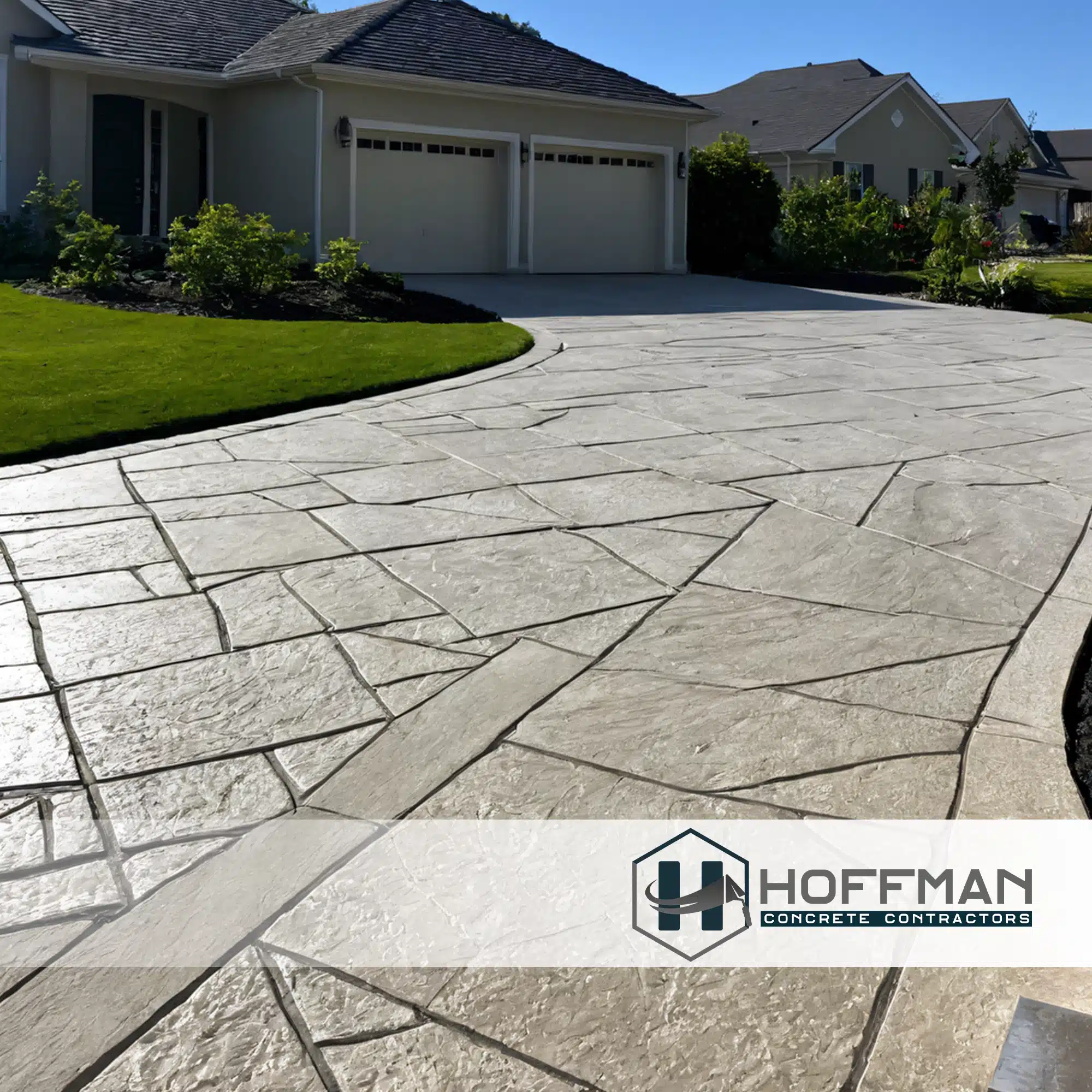
Acid-stained finishes offer a unique aesthetic that can transform plain concrete surfaces into beautiful, vibrant designs. This method involves applying a water-based solution containing acid and metallic salts, which reacts with the minerals in the concrete. The result is a variegated color that mimics the appearance of natural stone. Color options range from earthy browns and greens to rich blues and reds, allowing for a vast array of creative possibilities. Acid-stained concrete also provides an attractive depth of color, often with subtle variations that enhance the overall beauty of the surface.
Concrete finishing techniques like acid staining require proper preparation and application to achieve the desired results. It is crucial to ensure the surface is clean and free from previous sealers or coverings. Following the staining process, a sealer can be applied for protection and to enhance the longevity of the finish. Maintenance includes occasional cleaning with a pH-neutral detergent and periodic resealing, keeping the surface vibrant over time. Homeowners and commercial property managers alike can appreciate the low maintenance and eye-catching qualities that acid-stained concrete can provide.
Acid-stained concrete finishes provide a unique aesthetic that varies widely based on the chemical reactions between the stain and the concrete surface. The shades can range from deep earthy tones to vibrant hues, giving homeowners and businesses the opportunity to customize their spaces. These color variations arise from factors such as the age of the concrete and the specific stain used, making each finished surface distinct.
Maintenance of acid-stained concrete involves occasional sealing to protect the surface from stains and wear. While the initial finish may appear vibrant, over time, the colors can fade or become dull if not properly cared for. Regular cleaning with pH-neutral solutions ensures that the concrete surfaces maintain their beauty. Understanding these maintenance needs is crucial for anyone considering concrete finishing, as it helps preserve both appearance and longevity.
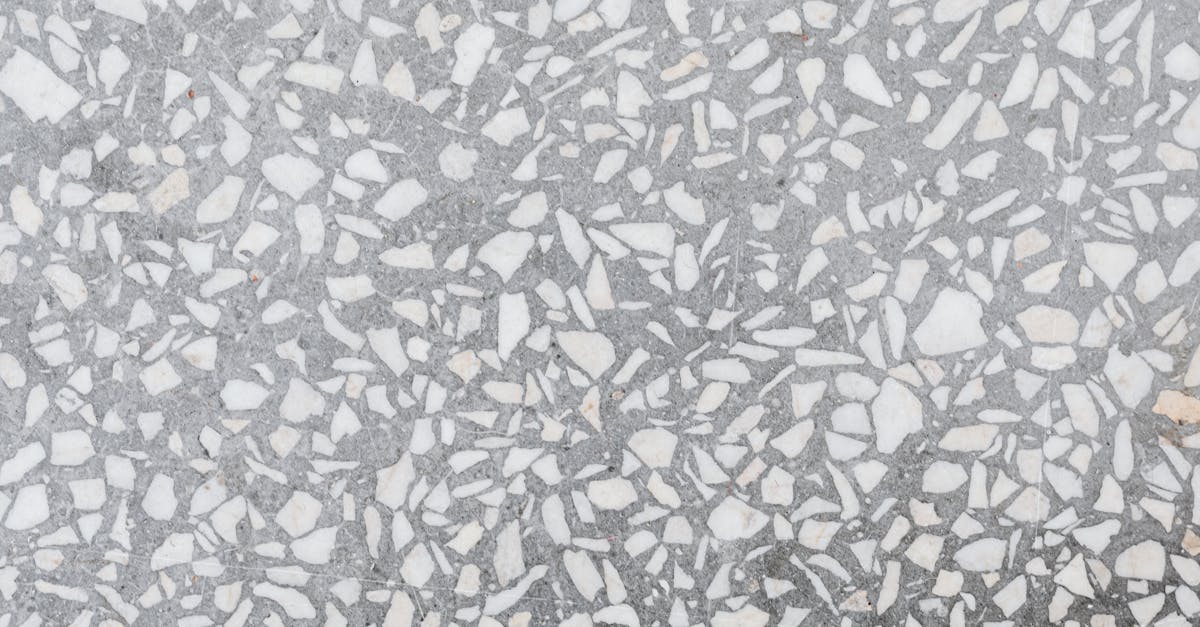
Polished concrete finish is a highly sought-after option for both residential and commercial spaces. The process involves grinding down the surface of the concrete to remove imperfections and achieve a glossy look. This technique enhances the durability of the surface while providing an aesthetic appeal that can be customized to various styles and preferences. Concrete finishing also allows for different levels of sheen, from matte to high gloss, depending on the desired outcome.
The advantages of polished concrete finish extend beyond mere appearance. This type of finishing is resistant to staining and damage, making it an ideal choice for high-traffic areas. Additionally, its reflective qualities can enhance lighting within a space, reducing energy costs and improving overall ambiance. As a result, many business owners opt for polished concrete to create a functional yet visually appealing environment.
Polished concrete finishes provide a sleek and modern aesthetic that is highly desirable in commercial spaces. Businesses often seek to create environments that reflect professionalism and sophistication. The reflective surface not only enhances the overall appearance but also makes spaces feel larger and more open, which can be particularly advantageous in retail and office settings.
In addition to visual appeal, concrete finishing offers practical benefits such as durability and low maintenance requirements. Polished surfaces withstand heavy foot traffic, resist stains, and can be easily cleaned, making them suitable for high-activity areas. This durability contributes to greater cost-effectiveness over time, as the need for repairs or replacements is significantly reduced.
Overlay finishes provide a versatile solution for enhancing existing surfaces. This technique involves applying a thin layer of new concrete or polymer material over the top of the original surface. It can effectively disguise imperfections while adding a fresh aesthetic appeal. Various styles and textures can be achieved, allowing for customization that aligns with specific design preferences.
The process of concrete finishing using overlays is not only beneficial for aesthetics but also enhances durability. Depending on the materials used, overlays can improve resistance to wear, stains, and moisture. This makes them suitable for a variety of settings, from residential patios to commercial spaces. Homeowners and business owners alike appreciate the cost-effectiveness of overlays, as they can rejuvenate a surface without the need for complete replacement.
Overlay finishes provide a versatile solution for enhancing existing concrete surfaces. These materials can cover imperfections, stains, and wear, revitalizing tired floors with minimal hassle. Various overlay types are available, including microtoppings, thin stamps, and colored overlays, allowing property owners to select an option that aligns with their design preferences. This method not only improves aesthetics but also increases durability and can extend the life of the underlying concrete.
The application of overlays requires proper preparation to ensure good adhesion and longevity. Concrete finishing techniques used during the installation process can significantly impact the final look and functionality of the surface. By skillfully applying the overlay and opting for decorative treatments post-application, the transformed surface can achieve a polished and attractive appearance. This approach is especially beneficial for both residential and commercial spaces looking to breathe new life into their floors without the costs associated with complete replacement.
The four types of concrete surface finishes are acid-stained finish, polished concrete finish, overlay finish, and exposed aggregate finish.
An acid-stained finish involves applying a chemical stain to the concrete, which reacts with the minerals in the surface to produce a unique color effect. This process creates a variegated, translucent appearance that enhances the depth of the concrete.
A polished concrete finish provides a sleek, reflective surface that is not only aesthetically appealing but also durable and easy to maintain. It is particularly advantageous for commercial spaces due to its resistance to stains and damage.
Yes, overlays can be used to enhance existing concrete surfaces. They can cover imperfections, provide a new decorative finish, and extend the life of the concrete underneath.
Yes, both acid-stained and polished concrete finishes require some level of maintenance. Acid-stained surfaces may need periodic resealing, while polished concrete should be cleaned regularly and may require re-polishing over time to maintain its shine.
612 Painter St, Media, PA 19063
https://hoffmanconcretecontractors.com/
+16106386380
WJ82+88 Media, Pennsylvania
Open 24 hours
461 Rugby Rd, Birdsboro, PA 19508
https://hoffmanconcretecontractors.com/reading-pa/
+14849981139
Open 24 hours

Copyright © Hoffman Concrete Contractors - Media. All Rights Reserved